
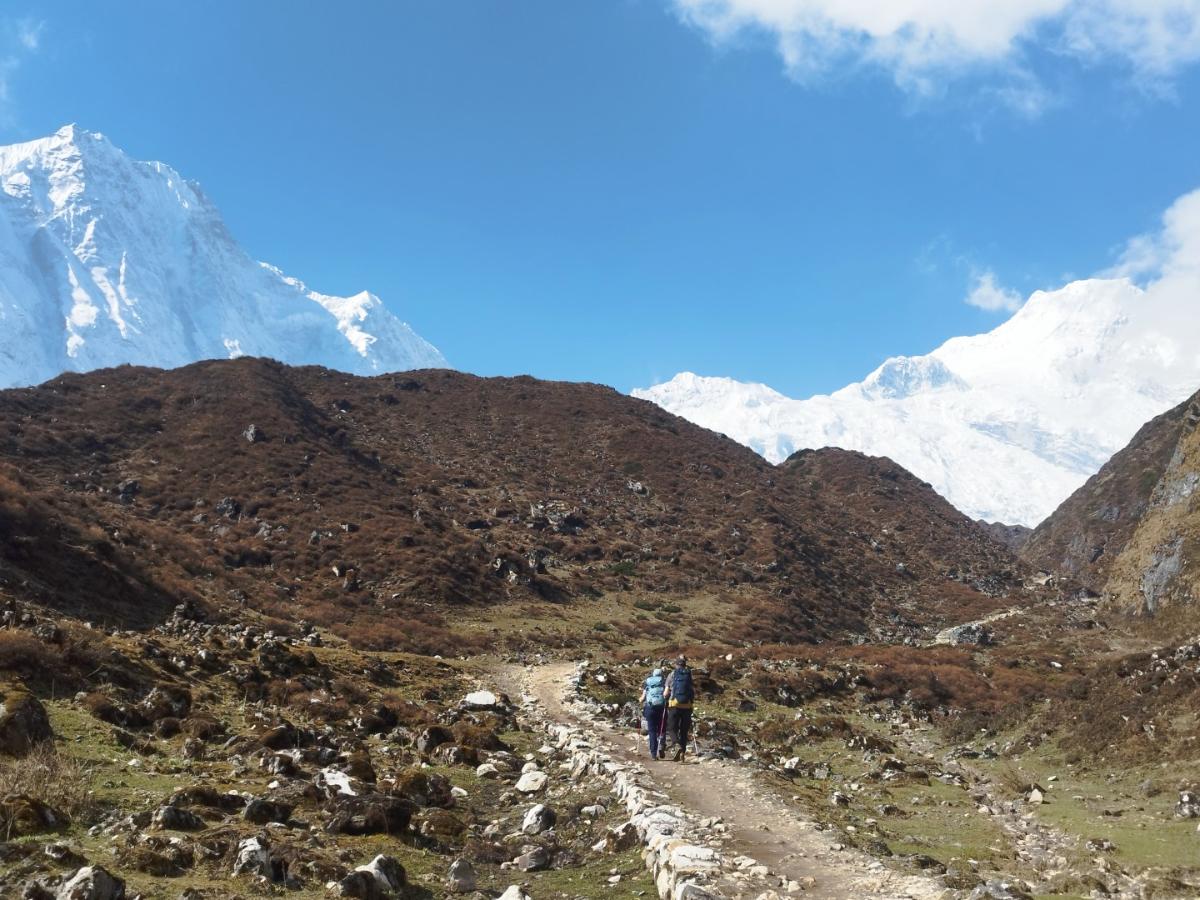
Nepal is widely known as one of the world's greatest trekking destinations. Every year, thousands of travelers arrive to explore famous routes such as Everest Base Camp, Annapurna Base Camp, and the Annapurna Circuit. These iconic trails have earned their reputation through breathtaking mountain scenery, rich cultural experiences, and well-established trekking infrastructure. However, Nepal's mountains offer far more than its most popular destinations.
Beyond the well-traveled routes are hidden valleys, quiet mountain ridges, remote villages, and ancient cultural landscapes that remain relatively untouched by mass tourism. These lesser-known trekking trails provide a different kind of adventure, one that allows trekkers to experience the Himalayas at a slower pace while enjoying greater solitude and more meaningful interactions with local communities. Instead of crowded teahouses and busy viewpoints, these routes reward travelers with peaceful forests, pristine alpine meadows, high mountain passes, and authentic village life.
Many of these trails are suitable for experienced trekkers looking for new challenges, while others offer moderate adventures that are perfect for those who want to escape the crowds without taking on an extremely demanding expedition. Whether your goal is cultural immersion, spectacular mountain panoramas, or discovering places that few international visitors have seen, Nepal has numerous hidden trekking destinations waiting to be explored.
Here are eight lesser-known trekking trails that deserve a place on every adventure traveler's bucket list.
1. Manaslu Circuit Trek
Although its popularity has grown over the past decade, the Manaslu Circuit Trek remains far less crowded than Nepal's most famous trekking routes. Circling the world's eighth-highest mountain, this remarkable journey combines dramatic Himalayan landscapes with authentic cultural experiences that have changed little over generations.
The trail passes through lush river valleys, dense forests, suspension bridges, traditional Gurung villages, and Tibetan-influenced settlements before reaching the spectacular Larke Pass. Along the way, trekkers witness changing scenery almost every day, from subtropical hills to alpine terrain surrounded by towering snow-covered peaks.
Because the region operates under restricted area regulations, visitor numbers remain relatively low compared to other major trekking destinations. This creates a quieter trekking experience while helping preserve local traditions and the natural environment. For trekkers seeking a balance of mountain scenery, cultural heritage, and adventure, this route offers one of Nepal's most rewarding journeys.
2. Nar Phu Valley Trek
Hidden behind the Annapurna region lies the remote Nar Phu Valley, one of Nepal's most isolated trekking destinations. Opened to international visitors only in recent decades, this remarkable valley has retained much of its traditional lifestyle and unique Tibetan Buddhist culture.
The journey leads through narrow gorges, dramatic rock formations, ancient monasteries, prayer wheels, and centuries-old stone villages that appear almost untouched by modern development. As trekkers gain altitude, the landscape transforms into wide alpine valleys surrounded by rugged Himalayan peaks.
Unlike Nepal's busier trekking routes, Nar Phu offers long stretches of peaceful trails where encounters with other trekkers remain relatively rare. Wildlife sightings are also possible, including blue sheep and, with exceptional luck, the elusive snow leopard.
The combination of cultural authenticity, striking scenery, and remote wilderness makes Nar Phu Valley one of Nepal's most distinctive trekking experiences.
3. Tsum Valley Trek
Often referred to as the Hidden Valley of Happiness, Tsum Valley offers a fascinating blend of natural beauty and deep spiritual significance. Nestled close to the Tibetan border, this peaceful valley has preserved centuries-old Buddhist traditions that continue to shape everyday life.
The trek passes through traditional villages, beautifully carved mani walls, colorful prayer flags, and ancient monasteries where monks continue centuries-old practices. Friendly local communities welcome visitors with genuine hospitality while maintaining a lifestyle closely connected to their cultural heritage.
Surrounded by impressive Himalayan peaks, fertile farmland, and pristine forests, the valley offers spectacular scenery without the crowds commonly found on Nepal's more famous trails. The slower pace of life allows trekkers to appreciate both the landscape and the region's remarkable cultural identity.
For travelers interested in combining mountain adventure with cultural exploration, Tsum Valley delivers an unforgettable experience that extends far beyond the scenery alone.
4. Ruby Valley Trek
Situated between the Langtang and Ganesh Himal regions, the Ruby Valley Trek remains one of Nepal's least-visited trekking routes despite its incredible diversity. Named after the precious gemstones once discovered in the region, the trail passes through beautiful landscapes that remain largely untouched by commercial tourism.
Trekkers walk through dense rhododendron forests, terraced farmland, cascading waterfalls, and traditional villages inhabited primarily by Tamang and Gurung communities. Throughout the journey, panoramic views of Ganesh Himal, Langtang, and surrounding mountain ranges provide a spectacular backdrop.
One of the greatest strengths of the Ruby Valley Trek is the opportunity to experience authentic village life. Visitors often have the chance to learn about local customs, agriculture, traditional architecture, and regional cuisine while supporting communities that receive relatively few international tourists.
Its peaceful trails and welcoming atmosphere make Ruby Valley an excellent alternative for trekkers seeking a quieter Himalayan experience.
5. Khopra Ridge Trek
While thousands of trekkers visit nearby Ghorepani every year, relatively few continue toward the beautiful Khopra Ridge. This hidden viewpoint rewards those who venture farther with some of the finest panoramic mountain scenery in the Annapurna region.
The trail climbs through peaceful forests, alpine meadows, and charming villages before reaching a high ridge overlooking Annapurna South, Dhaulagiri, Nilgiri, and Machhapuchhre. Sunrise and sunset views from the ridge create unforgettable moments as golden light spreads across the surrounding Himalayan peaks.
Unlike many popular trekking destinations, Khopra Ridge offers a quieter atmosphere where trekkers can fully appreciate the landscape without large crowds. Many itineraries also include a side trip to the sacred Khayar Lake, adding another memorable highlight to the journey.
The combination of accessible trails, impressive mountain views, and peaceful surroundings makes Khopra Ridge one of Nepal's most underrated trekking destinations.
6. Mundum Trail
The Mundum Trail is one of eastern Nepal's newest trekking routes and remains a hidden gem for travelers looking to explore beyond the country's famous mountain regions. Unlike many Himalayan treks that focus primarily on reaching a high-altitude destination, this trail places equal importance on nature, culture, and local traditions.
The route passes through rolling green hills, dense rhododendron forests, alpine grasslands, sacred lakes, and traditional Rai settlements. Throughout the journey, trekkers gain insight into the customs, beliefs, and daily lives of the Kirat communities, whose history in eastern Nepal stretches back centuries.
One of the highlights of the trek is the breathtaking panoramic views from elevated ridges. On clear days, trekkers can enjoy distant views of Everest, Makalu, Kanchenjunga, and several other Himalayan giants. Because the trail is still relatively new, encounters with other trekking groups are uncommon, creating a peaceful atmosphere that allows visitors to fully appreciate the surrounding landscape.
For travelers seeking a combination of cultural discovery, mountain scenery, and off-the-beaten-path adventure, the Mundum Trail offers an experience unlike any other in Nepal.
7. Pikey Peak Trek
The Pikey Peak Trek is often overlooked in favor of the more famous Everest Base Camp route, yet it offers some of the finest mountain panoramas in the country within a relatively short itinerary. Located in the lower Everest region, this trek provides spectacular scenery without requiring weeks of hiking or extensive acclimatization.
The trail winds through Sherpa villages, peaceful monasteries, pine forests, yak pastures, and scenic ridgelines before reaching the summit of Pikey Peak. Early morning is the most rewarding time to reach the viewpoint, as the sunrise gradually illuminates Everest, Lhotse, Makalu, Kanchenjunga, and numerous surrounding peaks.
Beyond its impressive mountain views, the trek also provides meaningful cultural experiences. Visitors have opportunities to stay in family-run lodges, observe traditional farming practices, and learn about Sherpa customs away from the busier trekking routes.
Its moderate difficulty, shorter duration, and quieter trails make Pikey Peak an excellent option for travelers with limited time who still want an authentic Himalayan adventure.
8. Api Base Camp Trek
Far western Nepal remains one of the least-explored regions in the country, making the Api Base Camp Trek an ideal choice for experienced trekkers searching for true wilderness. The route leads toward Mount Api, the highest peak in Nepal's far western region, passing through landscapes that feel remarkably untouched.
Trekkers travel through remote villages, thick forests, river valleys, suspension bridges, alpine meadows, and glacial terrain while enjoying constantly changing scenery. Because tourism remains limited in this part of Nepal, the trail retains a genuine sense of exploration that has disappeared from many popular trekking destinations.
The local communities along the route continue traditional lifestyles that have remained largely unchanged for generations. Their hospitality, combined with the dramatic natural surroundings, creates an unforgettable trekking experience that feels both adventurous and culturally rewarding.
Although the trek requires good physical fitness and careful planning, the reward is an uncrowded Himalayan journey filled with pristine landscapes and remarkable mountain views.
Why Choose Lesser-Known Trekking Trails?
Choosing a less-visited trekking route offers benefits that extend far beyond avoiding crowds. These trails often provide a more authentic connection with local communities, allowing travelers to experience traditional lifestyles, regional cultures, and genuine hospitality in places where tourism has had less influence.
The quieter environment also creates a stronger sense of adventure. Instead of following busy trails filled with hundreds of trekkers, you have more opportunities to enjoy peaceful forests, mountain ridges, and remote valleys at your own pace. Wildlife sightings may also be more common in these less-developed regions, particularly in protected conservation areas.
Another advantage is the positive impact on local communities. Visiting emerging trekking destinations helps distribute tourism income beyond Nepal's most popular regions, creating economic opportunities for villages that receive fewer visitors while encouraging sustainable tourism development.
Tips for Trekking on Remote Trails
Planning is especially important when trekking in less-visited regions of Nepal. Accommodation, transportation, and supplies may be more limited than on popular routes, so researching your itinerary well in advance is essential.
Hiring an experienced local guide is highly recommended. Guides not only improve safety and navigation but also provide valuable insights into local culture, traditions, and natural history that many independent trekkers might otherwise miss.
Pack appropriate clothing for changing weather conditions and carry essential trekking gear, including a first aid kit, water purification method, extra layers, and a reliable power bank. Mobile network coverage may be limited in remote areas, so downloading offline maps before your trek is also a good idea.
Respecting local customs and protecting the environment should always remain a priority. Dispose of waste responsibly, avoid disturbing wildlife, support locally owned lodges whenever possible, and follow Leave No Trace principles throughout your journey.
Conclusion
Nepal's famous trekking routes deserve their worldwide reputation, but some of the country's most memorable adventures can be found beyond the busiest trails. From hidden valleys and remote mountain ridges to ancient villages and untouched wilderness, these lesser-known trekking destinations offer experiences that are equally rewarding while providing greater peace and authenticity.
Whether you are searching for cultural immersion, dramatic Himalayan landscapes, or simply a quieter trekking experience, these eight trails showcase the incredible diversity that Nepal has to offer. Exploring beyond the well-known routes not only creates unforgettable memories but also supports local communities and encourages sustainable tourism across different regions of the country.
If you are planning your next Himalayan adventure, consider stepping away from the crowds and discovering one of Nepal's hidden trekking gems. You may find that the roads less traveled offer the most rewarding experiences of all.