
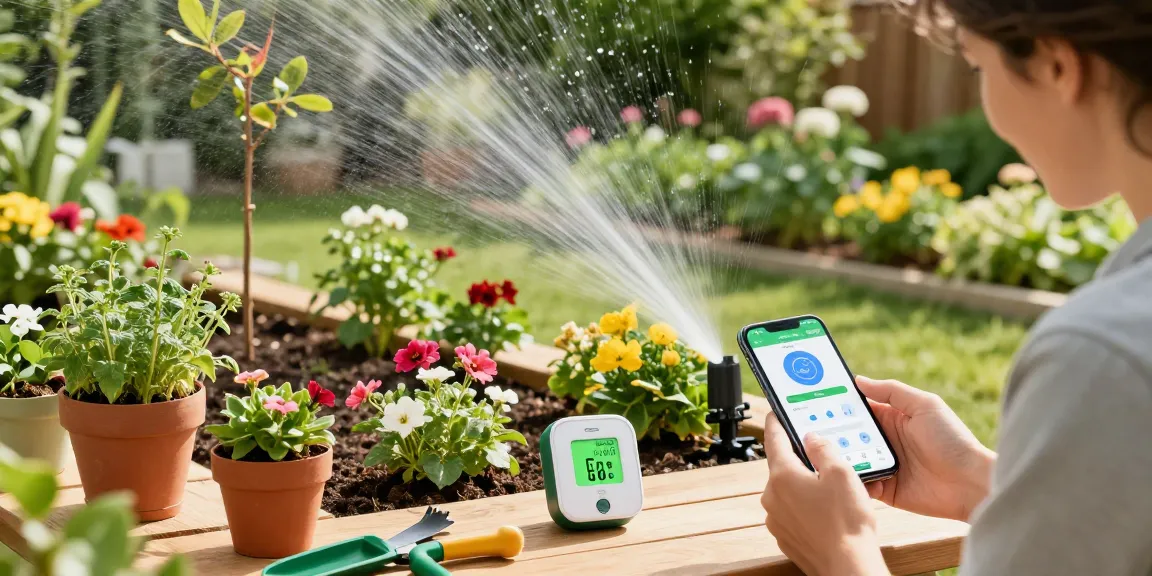
Understanding the RainPoint WiFi Water Timer
The RainPoint WiFi Water Timer is revolutionizing how gardeners approach irrigation, offering a sophisticated solution that combines technology with ease of use. Designed for both indoor and outdoor applications, this innovative device allows users to automate their watering schedules based on real-time data, ensuring plants receive the precise amount of water they need. In an era where water conservation is paramount, the rainpoint wifi water timer stands out as an essential tool for eco-conscious gardeners seeking efficiency and reliability.
What is a RainPoint WiFi Water Timer?
The RainPoint WiFi Water Timer is a smart device designed to automate irrigation systems, allowing users to control watering schedules via a mobile app. This timer connects to a home WiFi network, enabling remote management and monitoring of watering tasks from anywhere. Compatible with various irrigation systems, the RainPoint timer supports multiple zones, making it highly adaptable for diverse gardening needs.
Key Features and Benefits
- Smart Watering: Utilizes real-time weather data to adjust watering schedules automatically, preventing over-watering or under-watering.
- Soil Moisture Monitoring: Built-in sensors provide feedback on soil moisture levels, ensuring optimal irrigation based on actual plant needs.
- User-Friendly App: The accompanying mobile application is intuitive, offering easy setup and customization of watering schedules with just a few taps.
- Multi-Zone Control: Manage multiple zones of your garden independently, ensuring that each area receives the right amount of water based on its specific requirements.
- Environmentally Friendly: Helps conserve water by minimizing waste and maximizing efficiency, contributing to sustainable gardening practices.
How It Differs from Traditional Timers
Unlike traditional timers that operate on a fixed schedule, the RainPoint WiFi Water Timer adapts to changing weather conditions and soil moisture levels. Traditional timers may lead to either over-watering or under-watering, especially during fluctuating weather patterns. The RainPoint system, on the other hand, integrates technology that monitors environmental conditions, enabling a more responsive and efficient watering regime.
Setting Up Your RainPoint WiFi Water Timer
Setting up the RainPoint WiFi Water Timer is straightforward, making it accessible even for those who may not consider themselves tech-savvy. The installation process typically requires minimal tools and can be completed in just a few steps, ensuring you can start enjoying automated watering quickly.
Step-by-Step Installation Process
- Choose a mounting location that provides access to your garden hose or irrigation system.
- Install the timer onto the water source, ensuring a tight fit to prevent leaks.
- Connect any hoses or irrigation systems to the timer’s outlet ports.
- Power the device, either through batteries or a compatible power source, if applicable.
- Download the RainPoint app from your device’s app store and create an account.
Connecting to Your Home WiFi
To harness the full potential of your RainPoint WiFi Water Timer, connecting it to your home WiFi network is essential. This process typically involves:
- Opening the RainPoint app and navigating to the WiFi setup section.
- Selecting your home WiFi network from the list of available networks.
- Entering the WiFi password when prompted to establish a connection.
- Confirming the connection within the app to ensure the device is online.
Customizing Watering Schedules
Once connected, users can customize watering schedules based on their specific garden needs. The app allows for flexible scheduling, enabling you to set the duration and frequency of watering sessions. You can create different schedules for various zones, accommodating plants with different water requirements, from drought-tolerant succulents to lush, moisture-loving flowers.
Optimizing Water Usage with Smart Technology
The integration of smart technology in the RainPoint WiFi Water Timer extends beyond simple scheduling. This device empowers users to optimize water usage effectively, contributing to healthier plants and more sustainable gardening practices.
Understanding Soil Moisture Levels
One of the standout features of the RainPoint timer is its ability to measure soil moisture levels. This function allows gardeners to fine-tune their watering schedules based on actual moisture content, rather than relying solely on time-based watering. By adjusting the irrigation based on real-time data, users can prevent water waste and ensure plants are neither overwatered nor underwatered.
Using Weather Data for Efficient Watering
The RainPoint WiFi Water Timer leverages local weather forecasts to automate watering decisions. If rain is predicted, the system can skip scheduled watering sessions, ensuring that you are not wasting water during a downpour. This not only conserves water but also saves gardeners money on their water bills.
Real-Life Examples of Water Savings
Gardeners using the RainPoint WiFi Water Timer have reported significant reductions in water usage while maintaining healthy plants. For instance, a homeowner with a garden spanning 2200 square meters noted that their water consumption decreased dramatically after implementing the timer, allowing them to save on water costs while enjoying vibrant, flourishing landscaping.
Troubleshooting Common Issues
While the RainPoint WiFi Water Timer simplifies the watering process, users may encounter some common challenges. Fortunately, most issues can be resolved with a few troubleshooting steps.
WiFi Connectivity Challenges
Connectivity issues can arise, particularly if you have a dual-band WiFi network. Ensure that your device is connected to the 2.4 GHz band, as many smart devices, including the RainPoint timer, do not support 5 GHz connections. If connectivity problems persist, restarting the device and router can often resolve the issue.
Maintaining Your Water Timer
To ensure the longevity of your RainPoint timer, regular maintenance is advisable. Periodically check for leaks, clean any debris from the connectors, and ensure the device is protected from extreme weather conditions. Additionally, keeping the app updated will ensure that you have access to the latest features and improvements.
Helpful Customer Service Resources
If you encounter issues beyond standard troubleshooting, RainPoint offers a robust customer service platform. Their website includes detailed manuals, FAQs, and customer support contacts, so you can easily find assistance when needed. Engaging with the RainPoint community on social media platforms can also provide insights and shared experiences from fellow users.
Future Trends in Smart Gardening Technology
The gardening industry is rapidly evolving, with smart technology at its forefront. Looking ahead, we can expect significant advancements in devices like the RainPoint WiFi Water Timer, making gardening even more efficient and enjoyable.
What to Expect in 2026 and Beyond
As technology continues to integrate into gardening, innovations such as AI-driven irrigation decisions and integration with home automation systems are on the horizon. Future models of the RainPoint timer may include machine learning capabilities, allowing them to learn from past watering schedules and optimize performance based on user preferences.
Integration with Other Smart Devices
In the future, the RainPoint timer could potentially integrate with other smart home devices, enabling seamless communication between your irrigation system and smart weather stations, temperature sensors, and even smart plant monitoring systems. This would create a fully automated ecosystem that cares for your garden autonomously.
Calling for Sustainable Gardening Practices
As we move forward, sustainable gardening practices will become increasingly important. Devices like the RainPoint WiFi Water Timer not only optimize water usage but also promote a broader understanding of how our gardening habits impact the environment. The transition to smart irrigation systems will aid in conserving resources and encouraging eco-friendly gardening approaches.