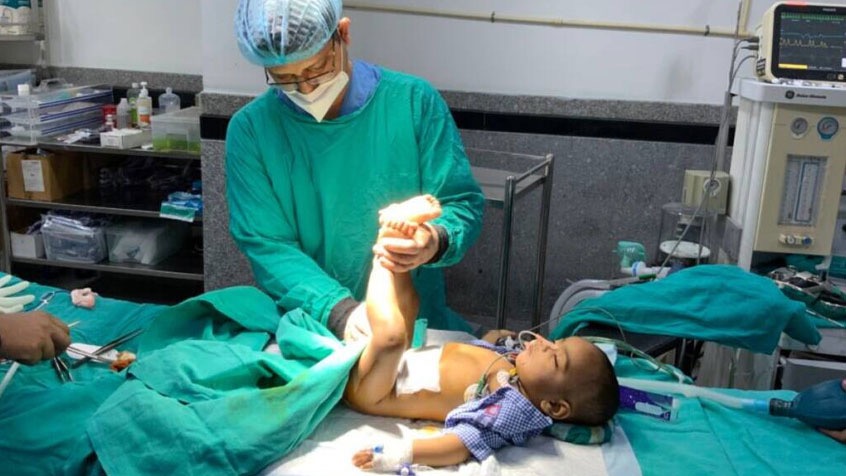
Surgery can be an unfamiliar experience for a child, and pediatric procedures require considerations that differ considerably from adult operations. A child’s age, physical development, underlying condition, anesthesia requirements, and emotional response all influence how treatment is planned. Specialized surgical teams therefore evaluate much more than the condition requiring correction.
From congenital abnormalities discovered shortly after birth to appendicitis, hernias, injuries, and urinary disorders, several childhood conditions can require surgical intervention. Modern pediatric surgeries combine age-specific assessment, suitable anesthesia, carefully selected operative techniques, and structured postoperative monitoring to address these conditions while considering a child’s continuing growth and recovery.
Why Children Require Specialized Surgical Care
Children are still developing physically, which changes how surgeons approach diagnosis, anesthesia, operative planning, and recovery. Even similar conditions can require different treatment strategies depending on whether the patient is a newborn, toddler, school-aged child, or adolescent. Pediatric surgeons are specifically trained to manage these developmental differences when determining an appropriate course of treatment.
Family involvement is another important component of the process. Parents need understandable information about the diagnosis, recommended procedure, preparation requirements, expected recovery, and follow-up. Pediatric surgical teams can explain these elements before treatment while also creating a setting that helps younger patients feel more comfortable with unfamiliar medical surroundings.
Important components of child-focused surgical services can include:
● Preoperative evaluation and preparation
● Pediatric anesthesia support
● Equipped operating rooms
● Postoperative observation and monitoring
● NICU and PICU support when clinically required
Understanding Conditions That May Need Surgery
A surgical recommendation does not automatically mean that a child has a severe illness. Some procedures correct congenital abnormalities, while others treat conditions that develop later. Hernias, appendicitis, intestinal obstruction, undescended testes, certain cysts or tumors, and selected urinary tract abnormalities are among the conditions pediatric surgical teams may manage.
Whenever possible, specialists evaluate whether minimally invasive treatment is appropriate for the child’s diagnosis. Laparoscopic approaches use smaller incisions for selected operations and can offer benefits such as reduced tissue disruption and smaller scars. However, the final technique depends on the condition, its complexity, the child’s health, and the surgeon’s clinical assessment.
Hernia Repair
A hernia develops when tissue or an organ protrudes through a weakened area in the surrounding muscle or tissue. Umbilical and other hernias can occur during childhood, with some cases requiring operative correction. Specialists assess the type, symptoms, age of the patient, and likelihood of complications before recommending treatment.
Appendicitis and Abdominal Conditions
Appendicitis can produce abdominal pain, nausea, vomiting, appetite changes, and fever, although symptoms vary among children. Surgical evaluation is important when appendicitis or another acute abdominal condition is suspected. Pediatric teams can also manage intestinal obstruction, selected congenital abdominal abnormalities, cysts, and other conditions requiring operative treatment.
Undescended Testes
An undescended testis occurs when one or both testes have not moved into their expected position. Specialists evaluate the child to determine appropriate management and timing. When surgical correction is required, orchiopexy can be performed to reposition and secure the affected testis within the scrotum.
Hypospadias
Hypospadias is a congenital condition in which the urethral opening is not positioned at the tip of the penis. Its presentation and severity vary, so treatment is individualized after specialist examination. Surgical repair may be recommended to correct functional or anatomical concerns associated with the condition.
Urinary Tract Abnormalities
Congenital abnormalities can affect the kidneys, bladder, ureters, or urethra. Hydronephrosis, posterior urethral valves, and vesicoureteral reflux are examples of conditions that may need specialist assessment. Depending on clinical findings, management can range from observation and medication to minimally invasive intervention or an operation.
Tumors, Cysts, and Other Masses
Some masses identified during childhood require surgical investigation or removal. Imaging, laboratory findings, symptoms, location, and the suspected nature of the growth guide treatment decisions. When surgery is appropriate, careful planning considers both removal of the abnormal tissue and preservation of surrounding structures wherever possible.
When Urinary Symptoms Need Specialist Attention
Urinary problems in children can appear in several ways. Recurrent urinary tract infections, difficulty passing urine, unusual urinary patterns, persistent bedwetting beyond an expected age, pain, or abnormalities detected during prenatal or childhood imaging can lead to further evaluation. Not every concern requires an operation, making accurate diagnosis particularly important.
The field of pediatric urology addresses conditions involving a child’s kidneys, ureters, bladder, urethra, and genital organs. Treatment may involve monitoring, medication, endoscopic techniques, laparoscopy, or reconstructive procedures according to the diagnosis. Pediatric urologists can also coordinate with nephrologists, anesthetists, surgeons, and nursing teams when a condition requires multidisciplinary management.
Conditions evaluated by urological specialists can include:
● Recurrent urinary tract infections
● Hydronephrosis and urinary tract abnormalities
● Vesicoureteral reflux
● Undescended testes and hypospadias
● Kidney or bladder stones
● Voiding dysfunction and bedwetting
How Minimally Invasive Techniques Support Treatment
Minimally invasive procedures have expanded the options available for selected childhood conditions. Instead of relying exclusively on larger conventional incisions, pediatric surgeons may use laparoscopic or endoscopic techniques when clinically suitable. Procedures offered within pediatric surgical care can include laparoscopic appendectomy, hernia repair, orchiopexy, pyeloplasty, and selected reconstructive operations.
Technique selection remains specific to each patient. A minimally invasive procedure is not automatically appropriate simply because it is available. Surgeons consider the child’s age, diagnosis, anatomy, medical condition, and operative complexity before deciding on an approach. Well-equipped operating facilities, pediatric anesthesia, monitoring areas, and preoperative and postoperative services support this individualized planning.
Final Thoughts
What can make a child’s surgical journey feel more organized from diagnosis through recovery? Access to pediatric specialists, suitable operating facilities, child-specific anesthesia support, intensive care, and coordinated follow-up can bring essential services together when a young patient requires an operation.
For families evaluating a childcare hospital in Indore, the availability of surgical and critical-care resources can be an important consideration. With a 120-bed facility, 25 Level III NICU beds, 14 PICU beds, pediatric surgery, pediatric subspecialties, and round-the-clock emergency services, Ankura Hospital provides an integrated setting for children who require routine or complex medical attention. Its Indore center combines pediatric expertise with supporting infrastructure designed to address changing healthcare requirements from infancy through adolescence.