
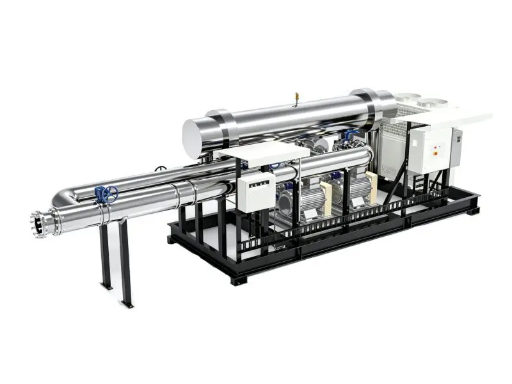
Modern industries require reliable, efficient, and sustainable energy solutions to maintain continuous operations. As businesses expand and energy demands increase, traditional power systems are often unable to meet the requirements of modern facilities. This has led industries to explore advanced technologies that can provide stable electricity while improving efficiency and reducing operational costs.
Gas engines are becoming an important part of industrial energy production because they offer a dependable way to generate power while supporting better energy management. By converting natural gas into useful electricity and heat, these systems help businesses achieve higher efficiency and greater control over their energy supply. Modern gas cogeneration units further enhance performance by producing both power and usable heat from a single fuel source, maximizing overall energy efficiency.
The Growing Role of Gas Engines in Industrial Power Solutions
Industrial facilities depend on continuous energy availability for manufacturing, processing, storage, and other essential operations. Power interruptions can result in production delays, equipment issues, and financial losses. Gas engine technology provides a practical solution by delivering consistent power output for different industrial environments.
Unlike conventional energy sources that may rely heavily on external electricity grids, gas-based power systems allow businesses to generate energy on-site. This improves reliability and gives industries more flexibility in managing their power requirements.
How Gas Engines Improve Energy Efficiency
One of the biggest advantages of gas engines is their ability to maximize fuel utilization. Instead of producing only electricity, advanced systems can also capture and use the heat generated during operation. This approach improves overall efficiency and reduces energy waste.
Many industries are now adopting gas cogeneration units because they combine electricity production with useful thermal energy. These systems can support heating, cooling, and industrial processes, making them a valuable option for facilities looking to optimize their energy consumption.
Benefits of Gas Engine Technology for Industrial Applications
Reliable and Continuous Power Supply
A stable energy source is essential for industries that operate around the clock. Gas engines provide dependable electricity that helps businesses maintain productivity even during periods of unstable grid supply.
From factories to large commercial facilities, these systems support uninterrupted operations and reduce the risks associated with unexpected power failures.
Lower Operating Costs
Energy expenses represent a significant part of industrial budgets. Gas engine solutions help companies reduce costs by improving fuel efficiency and allowing better control over energy production.
By generating power closer to the point of use, businesses can also reduce transmission losses and improve overall system performance.
Environmentally Responsible Energy Production
Many industries are focusing on cleaner energy strategies to reduce their environmental impact. Natural gas-powered engines typically produce fewer emissions compared with some traditional fuel-based systems.
With improved combustion technology and efficient operation, gas engines support companies in achieving sustainability targets while maintaining reliable power generation.
Applications of Gas Engines Across Different Industries
Gas engine systems are suitable for a wide range of applications, including:
- Manufacturing plants
- Food and beverage facilities
- Healthcare buildings
- Data centers
- Commercial complexes
- Industrial processing units
- Agricultural operations
- District energy projects
Healthcare facilities, in particular, require highly reliable energy systems. This is why many organizations consider gas generators for hospital environments where continuous electricity is essential for medical equipment, lighting, and critical operations.
Choosing the Right Gas Engine Solution
Selecting the appropriate energy system depends on several factors, including facility size, energy demand, fuel availability, and operational requirements. A properly designed gas engine system should provide the right balance between performance, efficiency, and long-term reliability.
Businesses should evaluate power capacity, maintenance requirements, heat recovery options, and system compatibility before making an investment decision. Professional installation and regular servicing also play an important role in ensuring consistent performance.
The Future of Industrial Energy Production
As industries continue moving toward smarter and more efficient energy solutions, gas engines are expected to become increasingly important. Their ability to provide reliable electricity, recover useful heat, and support sustainable operations makes them a strong choice for future industrial power strategies.
With growing demand for flexible energy systems, gas engine technology offers businesses a practical pathway toward improved efficiency and energy independence.
Conclusion
Gas engines are transforming the way industries approach energy production by providing reliable, efficient, and flexible power solutions. They help businesses reduce energy waste, improve operational stability, and manage increasing energy demands more effectively.
Whether used for industrial facilities, commercial buildings, or critical environments, modern gas generators for hospital provide a future-ready approach to energy generation. As companies continue to prioritize efficiency and sustainability, gas engines will remain an important part of the evolving energy landscape.