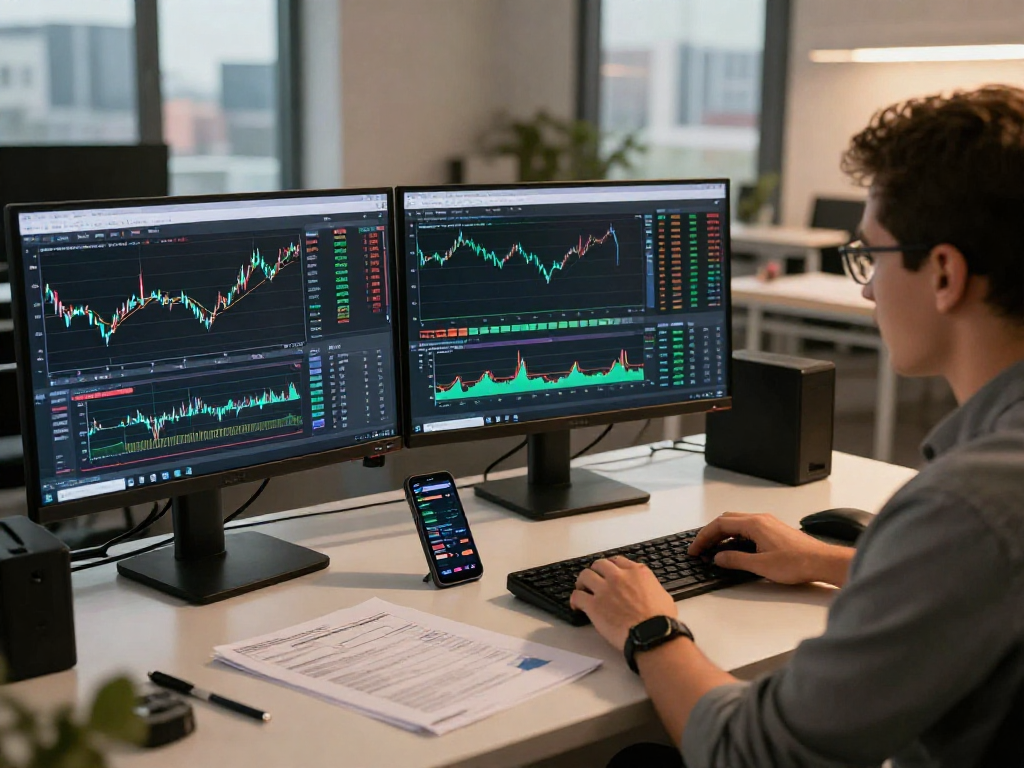
Understanding Level 2 Market Data API
In an era where innovation in blockchain and fintech is rapidly evolving, the demand for sophisticated trading tools has never been greater. The integration of real-time financial data into trading strategies is pivotal for success, particularly in high-frequency trading environments. One of the most essential tools available to developers and traders alike is the Level 2 market data API, which provides deeper insights into market conditions beyond typical price feeds.
What is Level 2 Market Data?
Level 2 market data offers comprehensive insights into the market's order book, displaying a detailed view of buy and sell orders along with their corresponding volumes at various price levels. Unlike Level 1 data, which only shows the highest bid and lowest ask prices, Level 2 data reveals the supply and demand dynamics that exist within these price levels. This layered information allows traders to gauge market sentiment and make more informed decisions. In a decentralized environment where transaction transparency is crucial, Level 2 data becomes an indispensable asset for optimal trading.
Benefits of Using Level 2 Market Data API for Traders
- Enhanced Decision-Making: By utilizing Level 2 data, traders can anticipate price movements more accurately, as they are aware of where significant buy and sell orders reside.
- Improved Trade Execution: With insights into market depth, traders can execute trades more strategically, potentially avoiding slippage and securing better prices.
- Increased Profit Potential: Understanding market trends and order flow can lead to more profitable trading strategies, especially in high-frequency scenarios.
- Better Risk Management: Analyzing order book data helps in identifying support and resistance levels, enabling traders to make more risk-averse decisions.
Key Features of Level 2 Market Data API from iTick
iTick’s Level 2 market data API is designed to cater to developers, trading platforms, and research institutions. Some of its defining features include:
- Real-Time Data: Receive instant updates on market conditions to make timely trading decisions.
- Comprehensive Coverage: Access data from over 50 global exchanges, including major A-shares, HK stocks, and US stocks.
- WebSocket & RESTful API: Choose your preferred protocol for seamless integration with existing trading systems or applications.
- Historical Data Feeds: Analyze past market conditions through historical K-line data for better forecasting and strategy refinement.
Integrating Level 2 Market Data into Trading Strategies
Incorporating Level 2 market data into trading strategies can significantly improve trade execution and profitability. By leveraging the order book details, traders can fine-tune their buying and selling tactics to align with real-time market behavior.
How to Leverage Market Depth for Maximum Profit
Understanding market depth is key to maximizing profits. Traders can utilize this data to identify hidden liquidity and large order placements that could impact price movements. Recognizing patterns in order placements can guide traders on when to enter or exit positions in anticipation of price swings.
Using Level 2 Data to Enhance Technical Analysis
Integrating Level 2 data with traditional technical analysis tools can empower traders to make more nuanced decisions. For instance, aligning support and resistance levels identified through order book analysis with chart patterns enhances the reliability of these technical signals.
Case Studies: Successful Trades Using Level 2 Market Data
Numerous traders have successfully deployed Level 2 market data to capitalize on profitable trading opportunities. For instance, a trader noted that significant buy orders were accumulating at a specific price point, indicating strong support. By entering a long position just above this price level, the trader capitalized on a subsequent increase in market price.
Security Best Practices for Using Market Data APIs
With the increasing sophistication of cyber threats, ensuring the security of your trading infrastructure is paramount. Implementing security best practices when using market data APIs can protect both your investments and sensitive information.
Protecting Your API Keys: Security Measures
API keys serve as access credentials to market data services, and safeguarding them is crucial. Use secure storage solutions, enable permissions judiciously, and always rotate your keys periodically to enhance security.
Avoiding Common Scams in Crypto Trading
Crypto trading can be rife with scams such as phishing attacks and fake exchanges. Always verify the authenticity of platforms and use two-factor authentication (2FA) to bolster account security.
Understanding the Risks Associated with Market Data
While Level 2 market data is invaluable, it is important to understand that it is not foolproof. Misinterpretation of data can lead to uninformed trading decisions. Always conduct thorough research and combine API-derived insights with personal analysis.
Comparing Level 1 and Level 2 Market Data
Understanding the distinctions between Level 1 and Level 2 market data is critical for making informed trading decisions. Each type of data serves a unique purpose and caters to different trading styles and objectives.
Differences Between Level 1 and Level 2 Data
Level 1 market data provides basic information, such as the best bid and ask prices, along with last trade details. In contrast, Level 2 data reveals a more nuanced view of the market by showcasing the entire order book, which indicates all pending orders to buy and sell.
Choosing the Right Market Data for Your Trading Needs
Traders must select data types that align with their trading strategies. Day traders often benefit from Level 2 data's detailed insights, whereas longer-term investors might find Level 1 data sufficient.
Examples of Effective Use Cases
Effective use cases for Level 2 data include scalping strategies, where precise execution and information about order book depth can lead to immediate profits. Additionally, swing traders may use Level 2 data to fine-tune entry and exit points based on market sentiment.
The Future of Market Data APIs in Cryptocurrency
The landscape of market data APIs is continuously evolving, driven by advances in blockchain technology and regulatory changes. Understanding these trends will be crucial for traders looking to maximize their strategies in 2026 and beyond.
Emerging Technologies in Market Data Analytics
The rise of artificial intelligence and machine learning is transforming market data analysis. These technologies facilitate deeper insights by processing vast datasets efficiently to identify trading patterns and anomalies.
Impact of Regulatory Changes on Market Data Access
As governments worldwide introduce new regulations for crypto assets, the accessibility of market data may be affected. Compliance will likely necessitate more stringent data sourcing and reporting processes for trading platforms.
Trends in DeFi Platforms and Market Data Utilization
With the surge of decentralized finance (DeFi) platforms, market data APIs are becoming integral in providing transparency and data-driven insights. These platforms rely on accurate and timely data to optimize trading algorithms and liquidity management.
What Will 2027 Bring to Level 2 Market Data?
As we look towards 2027, advancements in blockchain interoperability and API scalability promise to revolutionize how traders access market data. The focus will likely be on real-time analytics and integration across multiple ecosystems, enhancing the trading experience.
Frequently Asked Questions
What is Level 2 market data and why is it important?
Level 2 market data provides detailed information about the ongoing order book, showing all buy and sell orders at different prices. This information is crucial for traders seeking to understand market dynamics beyond basic price information.
How can traders optimize their strategies using Level 2 data?
Traders can optimize their strategies by analyzing market depth to identify entry and exit points, anticipating price movements, and adjusting their trading behaviors according to order flow.
What are the key security measures for using APIs?
Key security measures include safeguarding API keys, implementing two-factor authentication, monitoring account activity for suspicious behaviors, and consistently updating security credentials.
How does Level 2 market data compare to Level 1?
While Level 1 market data provides basic price information, Level 2 data reveals a comprehensive view of market depth, offering insights into liquidity and potential price movements.
What are the risks associated with trading using market data APIs?
The risks include data misinterpretation, potential for inaccurate information, cybersecurity threats, and dependency on third-party services for data feed reliability.