Understanding Wood Boring Insects and Their Impact
Wood-boring insects, particularly woodworms, pose a significant threat to the integrity of wooden structures. These pests can silently damage timber, causing structural weaknesses and compromising the aesthetic quality of wood. Left untreated, infestations can lead to severe economic losses, particularly in industries reliant on wooden materials. To combat this issue effectively, SHASHEL® has developed advanced microwave technology that offers a chemical-free solution for eliminating these pests while preserving the quality of the wood.
What Are Woodworms and Why Treat Them?
Woodworms are the larvae of various wood-boring beetles, including the common furniture beetle and the house longhorn beetle. These pests feed on wood, leaving behind a trail of damage that can compromise the structural integrity of wooden furniture, beams, and flooring. Treating woodworm infestations is crucial to maintaining the strength and stability of wooden structures, as well as extending the lifespan of wooden products.
The Economic Impact of Wood Boring Insects
The economic implications of wood-boring insects are profound. Structural damage can lead to costly repairs and renovations; in some cases, entire buildings may require fumigation or replacement materials. Industries like construction, furniture manufacturing, and art restoration are particularly susceptible to the financial fallout caused by these pests. Investing in effective treatment solutions, such as those offered by SHASHEL®, can mitigate these risks significantly.
Common Misconceptions About Wood Treatment
Despite the availability of effective treatment methods, misconceptions about wood treatment persist. Many believe that traditional chemical methods are the only viable option for pest control. However, environmentally friendly alternatives, like SHASHEL® microwave technology, provide an efficient and safe way to eradicate wood-boring insects without harming the surrounding environment or compromising wood quality.
The Technology Behind SHASHEL® Microwave Treatment
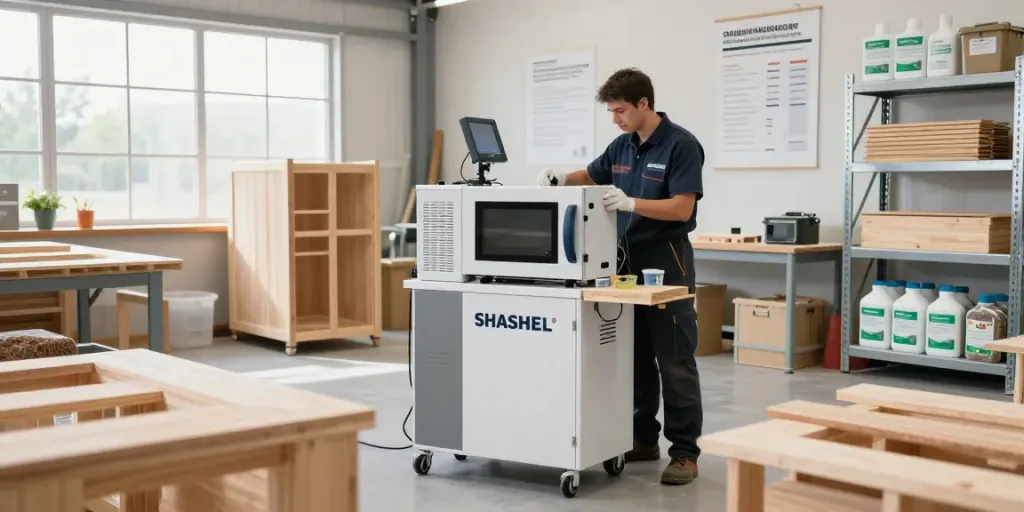
SHASHEL® utilizes state-of-the-art microwave technology to target and eliminate wood-boring insects effectively. This method involves generating microwave energy that penetrates deep into wooden materials, raising the temperature sufficiently to kill pests, larvae, and eggs without damaging the wood itself. The technology is not only innovative but also provides a swift and effective means of treatment.
How SHASHEL® Uses Microwaves for Pest Control
SHASHEL® equipment operates by emitting microwave radiation that specifically targets the moisture content in wood. As the microwaves penetrate the wood, they heat up the material uniformly, allowing for the rapid extermination of insects hidden within. This technology ensures that even the most hidden infestations are eradicated, achieving near-total elimination in just a matter of minutes.
Comparing SHASHEL® with Traditional Chemical Treatments
When comparing SHASHEL® with traditional chemical treatments, several key advantages emerge. Firstly, the use of microwaves is chemical-free, which eliminates the risks associated with toxic substances. Secondly, microwave treatment is faster, often requiring only minutes compared to days for chemical methods. Lastly, the precision of SHASHEL® technology means that there's less risk of damaging the wood, making it an ideal choice for valuable and antique pieces.
Safety and Efficiency of SHASHEL® Technology
SHASHEL®’s microwave technology prioritizes user safety and environmental health. The equipment is designed to be safe for both operators and nearby inhabitants, as it does not emit harmful chemicals. Furthermore, the efficiency of this technology minimizes downtime in wood processing operations, allowing businesses to maintain productivity while ensuring their materials are pest-free.
Benefits of Using SHASHEL® Equipment
The benefits of employing SHASHEL® technology in wood treatment are multifaceted, making it an appealing choice for businesses across various industries.
Fast and Effective Elimination of Woodworms
One of the standout features of SHASHEL® equipment is its speed. Users can expect a significant reduction in woodworm populations in mere minutes, ensuring swift resolution of infestations. This rapid action prevents further damage and associated costs, allowing wooden products to be ready for use without prolonged delays.
Environmentally Friendly Approach to Pest Control
SHASHEL® embraces an eco-friendly approach by offering a solution that avoids harmful chemicals. This not only protects the environment but also ensures that the treated wood is safe for human contact. As consumers become increasingly concerned about sustainability, adopting SHASHEL® technologies aligns businesses with modern environmental standards.
Maintaining Quality in Wood Treatment with SHASHEL®
The delicate craftsmanship associated with wooden products often requires careful handling during pest treatment. SHASHEL® equipment is designed to be gentle on wood, preserving its quality and integrity. This characteristic is particularly important for high-value items such as antiques, where traditional methods might risk permanent damage.
How to Implement SHASHEL® in Your Wood Processing Operations
Integrating SHASHEL® technology into existing wood processing operations is straightforward and can be tailored to meet specific production needs.
Setting Up Your SHASHEL® Equipment
Setting up SHASHEL® equipment is user-friendly and does not require extensive technical knowledge. The equipment comes with comprehensive instructions, making it easy for operators to begin treatment almost immediately after installation. Ensuring proper calibration is essential for achieving optimal results and preventing damage during the pest elimination process.
Best Practices for Optimal Wood Treatment
To maximize the effectiveness of SHASHEL® technology, consider implementing the following best practices:
- Regularly inspect wooden materials for signs of infestation.
- Combine SHASHEL® treatments with structural modifications to prevent future infestations.
- Employ preventive measures, such as controlling moisture levels, to deter wood-boring insects.
Case Studies: Success Stories with SHASHEL®
Numerous organizations have successfully integrated SHASHEL® technology into their pest control protocols. For instance, a furniture restoration company reported a 95% reduction in woodworm infestations after implementing SHASHEL® treatments compared to previous chemical methods. These success stories illustrate the reliability and effectiveness of SHASHEL® technology in real-world applications.
The Future of Wood Treatment and SHASHEL® Innovations
The landscape of wood treatment is rapidly evolving, with increasing emphasis on sustainability and efficiency. As we look towards 2026, SHASHEL® stands at the forefront of these innovations.
Emerging Trends in Woodworm Control Technology
Future advancements in pest control technology are likely to focus on integrating artificial intelligence and machine learning to streamline treatment processes. SHASHEL® may explore options for automating monitoring systems that detect infestations in real-time, allowing for targeted and timely interventions.
Predicting the Landscape of Wood Treatment in 2026
By 2026, we anticipate a shift towards more automated and data-driven approaches in wood treatment. Companies utilizing SHASHEL® technology will likely gain a competitive edge by adopting such solutions, resulting in enhanced operational efficiency and effectiveness against wood-boring pests.
Expert Insights on the Future of SHASHEL® Equipment
Industry experts predict that SHASHEL® will continue to innovate, expanding its offerings to meet the growing demand for sustainable and effective pest control solutions. With ongoing research and product development, SHASHEL® is poised to set the standard in wood treatment technology and redefine how industries handle wood-boring insect challenges.