Understanding CNC Glass Cutting Technology
CNC (Computer Numerical Control) glass cutting technology has revolutionized the way businesses handle glass processing. In today’s fast-paced manufacturing environment, having precise and efficient machinery is critical. CNC glass cutting machines provide an all-in-one solution that streamlines processes, enhances accuracy, and boosts overall productivity. Whether you’re involved in architectural glass projects or custom glass items, understanding the capabilities of these machines is essential for leveraging their full potential. When exploring options, cnc glass cutting machine providers often offer tailored solutions that meet specific industry needs.
What is CNC Glass Cutting?
CNC glass cutting refers to the automated process of cutting glass sheets using computer-controlled machinery. This technology employs precise algorithms and advanced software to direct the cutting tools, allowing for intricate designs and shapes to be created with minimal waste. The result is a cutting method that not only enhances the aesthetic qualities of the glass but also improves overall production efficiency.
How CNC Machines Work in Glass Processing
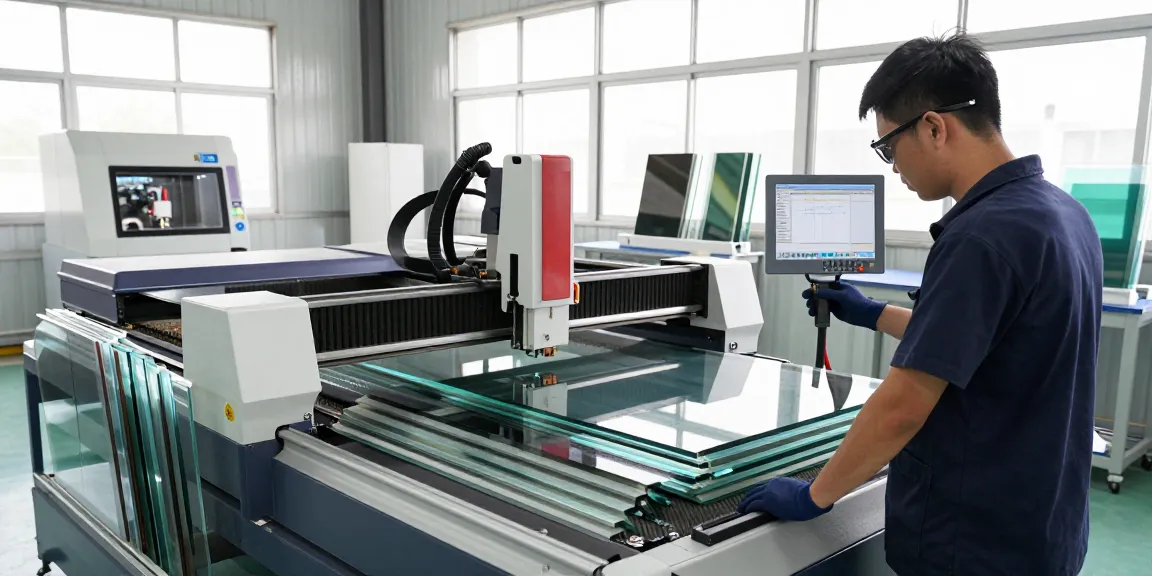
CNC glass cutting machines operate using a combination of mechanical engineering and software programming. The process begins with a digital design created in a CAD (Computer-Aided Design) application. Once the design is finalized, the machine translates the design into precise movements, using tools such as diamond blades or lasers to perform the cuts. This method ensures consistency and precision across large production runs, which is essential in industries such as construction, automotive manufacturing, and custom glassworks.
Benefits of Using CNC Glass Cutting Machines
- Precision and Accuracy: CNC machines deliver high precision, reducing errors and waste associated with manual cutting methods.
- Increased Production Efficiency: Automated processes lead to faster turnaround times, allowing businesses to meet increasing demand.
- Versatility: These machines can handle various glass types and thicknesses, making them suitable for diverse applications.
- Cost-Effectiveness: Although the initial investment may be high, the long-term savings from reduced waste and increased production efficiency often justify the cost.
Key Features of Advanced CNC Glass Cutting Machines
Precision and Accuracy in Glass Cutting
The hallmark of CNC glass cutting machines is their ability to achieve extraordinary levels of precision. Equipped with advanced sensors and software, these machines ensure that every cut is executed flawlessly, allowing manufacturers to produce intricate designs with an accuracy of up to 0.1 mm. This level of precision is especially important in industries requiring stringent quality standards, such as medical equipment manufacturing and high-end architectural projects.
Automation Capabilities and Efficiency
Modern CNC glass cutting machines come with remarkable automation features. Many models include loading and unloading systems, which streamline the entire production line. This automation reduces the need for manual labor, thereby lowering operational costs and minimizing human error. Enhanced workflow automation allows for a more efficient use of time and resources in glass processing operations.
Integrating CNC Machines with Other Glass Processing Equipment
A key advantage of CNC glass cutting machines is their ability to integrate seamlessly with other glass processing equipment. For instance, after cutting, glass can be transferred directly to washing, edging, or even laminating stations without manual handling. This interconnected setup not only creates a smoother workflow but also significantly reduces lead times in production. Businesses can thus deliver orders faster and respond more adeptly to market demands.
Choosing the Right CNC Glass Cutting Machine for Your Business
Factors to Consider Before Purchase
When selecting a CNC glass cutting machine, several factors need to be considered:
- Production Volume: Assess your daily production requirements to determine the size and capacity of the machine.
- Type of Glass: Different applications may require different cutting techniques (e.g., laminated glass, tempered glass).
- Budget: Establish a clear budget that accounts for both the initial purchase price and ongoing operational costs.
- Technical Support: Check for the availability of technical support and training from the manufacturer.
Common Misconceptions About CNC Glass Cutting Machines
There are several misconceptions regarding CNC glass cutting machines that can lead businesses to overlook their potential benefits:
- High Initial Cost: While the upfront cost may be significant, the long-term savings in labor and material costs can outweigh this initial investment.
- Complex Operation: Many modern machines feature user-friendly interfaces that simplify operation, making them accessible even to those without extensive technical expertise.
- Limited to Specific Glass Types: CNC machines can handle a variety of glass types and thicknesses, offering versatility across multiple projects.
Cost Analysis: Initial Investment vs. Long-term Savings
Calculating the cost of a CNC glass cutting machine involves more than just the purchase price. It is crucial to factor in operational costs such as maintenance, utilities, and labor. Despite the initial investment, most businesses that implement CNC technology find significant long-term savings. The efficiency of these machines often leads to reduced waste, lower labor costs, and faster production speeds, resulting in improved profit margins.
Best Practices for Operating CNC Glass Cutting Machines
Operator Training and Safety Measures
Proper training is essential for all operators working with CNC glass cutting machines. A thorough understanding of the machinery, along with adherence to safety protocols, minimizes the risk of accidents and ensures consistent product quality. Regular safety drills and refresher courses can help maintain high operational standards.
Maintenance Tips for Longevity
Regular maintenance is key to ensuring the longevity and performance of CNC machines:
- Routine Inspections: Frequent checks for wear and tear can help identify issues before they escalate.
- Calibration: Periodic calibration ensures that cutting accuracy is maintained over time.
- Cleaning: Keeping the machine free of debris and dust enhances performance and prevents damage.
Optimizing Production Workflow
To maximize efficiency in production, it’s vital to analyze workflow continuously. Areas for improvement can often be identified through observation and reporting systems. Utilizing software that tracks productivity metrics can provide valuable insights that help optimize operations at every stage of the glass processing cycle.
Future Trends in CNC Glass Cutting Technology
Emerging Technologies in Glass Processing
The CNC glass cutting industry is witnessing rapid advancements, including the integration of AI and machine learning for predictive analytics. These technologies allow for smarter machines that can adapt to changes in production demands, improving efficiency and reducing downtime. Additionally, the rise of automated quality control systems ensures consistent product quality.
How Sustainability is Shaping CNC Glass Cutting Machines
Sustainability is becoming increasingly important in manufacturing, and the glass processing industry is no exception. Future CNC glass cutting machines are likely to be designed with energy efficiency in mind, utilizing less power while providing output. Furthermore, advancements in materials and recycling technologies will enable greener production methods, aligning with consumer expectations for environmentally friendly practices.
Predictions for the Glass Industry in 2026 and Beyond
As we look forward to 2026, the glass industry is poised for significant transformation. Advances in technology will lead to smarter manufacturing processes, and as demand for customized products rises, CNC machines will become even more integral to production strategies. Companies that invest wisely in this technology will gain a competitive edge in a rapidly evolving marketplace.
What are the unique advantages of using CNC glass cutting machines?
CNC glass cutting machines provide numerous unique advantages, including improved precision, reduced waste, and faster production times. Additionally, their versatility allows them to cater to various industries, from construction to automotive, making them an essential investment for any business in the glass processing sector.
How do CNC glass cutting machines compare to traditional cutting methods?
Compared to traditional cutting methods, CNC machines significantly outperform in terms of accuracy and efficiency. Manual cutting is prone to errors and inconsistencies, whereas CNC technology ensures uniform cutting across large volumes, which is critical for maintaining quality standards.
What maintenance is required for CNC glass cutting machines?
Maintenance for CNC glass cutting machines includes regular cleaning, inspections, and calibration to ensure optimum performance. Scheduled maintenance checks will also help identify potential issues early and extend the lifespan of the machinery.
Are there specific industries that benefit most from CNC glass cutting technology?
Industries such as architecture, automotive, and custom glass manufacturing stand to benefit significantly from CNC glass cutting technology. These sectors require high precision and efficiency, particularly for bespoke designs or high-volume projects.
What future innovations can we expect in the CNC glass cutting industry?
The future of CNC glass cutting technology promises innovations such as augmented reality for machine set-up and monitoring, increased automation capabilities, and further enhancements in energy efficiency. These advancements are essential for meeting the growing demands of the glass processing industry in a competitive market.