Understanding Oil Centrifuge Technology
In the ever-evolving landscape of industrial processing, the oil centrifuge has emerged as a critical technology engineered to optimize efficiency, improve product quality, and minimize environmental impact. By leveraging the principles of centrifugal force, these systems have found applications across various sectors, from food and beverage processing to pharmaceuticals and energy production. As industries pivot to increasingly stringent quality standards and sustainability goals, understanding the inner workings, benefits, and future developments of oil centrifuge technology becomes paramount for operations looking to stay competitive.
What is an Oil Centrifuge?
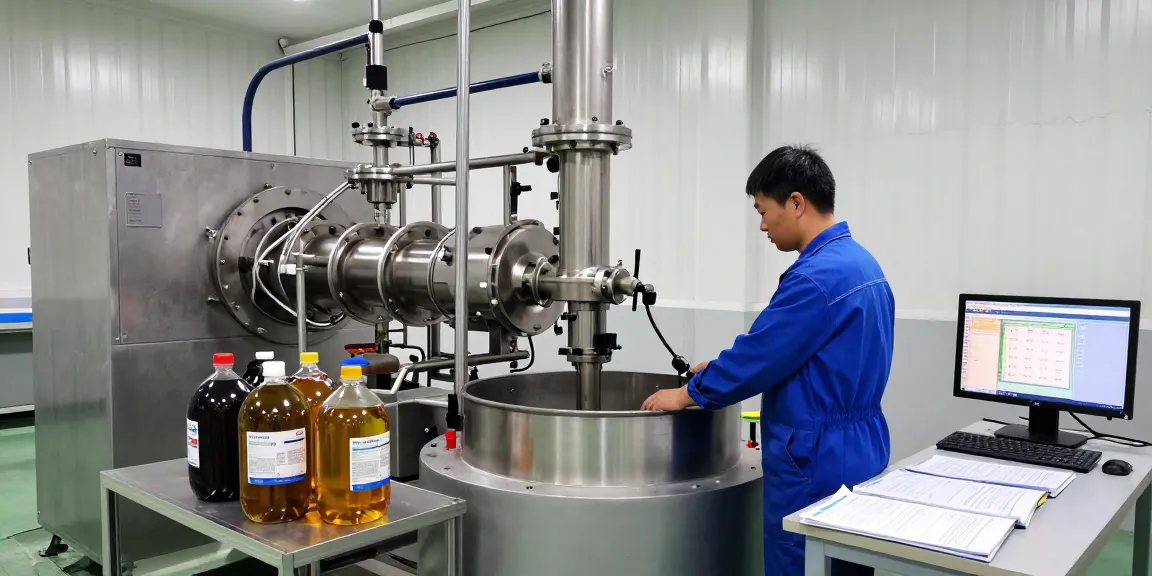
At its core, an oil centrifuge is a mechanical device designed to separate liquids from solids or liquids of different densities by utilizing centrifugal force. As the centrifuge spins, denser materials are forced outward, allowing for the separation of impurities or contaminants from oils, such as fats, greases, and even waste products. This equipment is key in various applications including but not limited to the purification of edible oils, recovery of valuable oils from waste, and as part of a broader filtration system in numerous industrial processes.
How Does Oil Centrifugation Work?
The operation of an oil centrifuge is grounded in physics. When a mixture is placed in a spinning bowl, the centrifuge induces a rapid rotational force. This force is significantly stronger than the force of gravity, causing particles to move outward based on their density. Heavier particles settle at the periphery while lighter liquids remain closer to the center. The outcome is a clarified liquid devoid of contaminants and a solid residue that can be further processed or discarded.
Key Applications Across Industries
Oil centrifuges serve critical roles across multiple industries. In the food and beverage sector, they are instrumental in refining vegetable oils, ensuring the final product is both clear and devoid of undesirable flavors and aromas. In the pharmaceutical field, they help in the purification of compounds, ensuring that active ingredients are free from harmful impurities. In the energy sector, they are used to treat lubrication oils in machinery, extending equipment life by removing harmful particulates.
Benefits of Oil Centrifuges in Processing
Enhancing Efficiency and Quality
One of the foremost advantages of utilizing an oil centrifuge lies in its ability to enhance processing efficiency. By achieving higher separation rates compared to traditional filtration methods, oil centrifuges streamline production, allowing businesses to meet growing demands without sacrificing quality. Furthermore, they consistently produce purer oil, which is crucial for maintaining product integrity, especially in sensitive applications such as food and pharmaceuticals.
Cost-Effectiveness and Environmental Impact
Investing in an oil centrifuge can lead to substantial cost savings over time. These systems reduce the need for expensive filtration media and minimize the volume of waste generated, subsequently lowering disposal costs. Additionally, enhanced efficiency implies less energy consumption per unit of output, positioning companies as more sustainable and eco-conscious in a market that increasingly values environmental responsibility.
Comparative Advantages Over Traditional Methods
Compared to traditional oil filtration methods, such as sand or paper filters, oil centrifuges offer several comparative advantages. They do not require consumable media, which can significantly cut operational costs, and they operate with higher speed and efficiency, providing quicker turnaround times. These features make centrifuges not only more economical but also a technically superior option for many industrial applications.
Choosing the Right Oil Centrifuge for Your Needs
Factors to Consider When Selecting a Model
Selecting the appropriate oil centrifuge requires careful consideration of several key factors, including the specific application, flow rate requirements, and the characteristics of the material being processed. Prospective buyers should evaluate the machine’s capacity, the final desired clarity of the product, and the ease of operation and maintenance.
Common Misconceptions About Oil Centrifuges
Despite their efficacy, there are several misconceptions surrounding oil centrifuges. Some individuals may assume that the initial investment is prohibitively high; however, the long-term savings and benefits often outweigh upfront costs. Others might believe that centrifuges are difficult to operate or maintain; in reality, modern designs feature user-friendly interfaces and require minimal upkeep with appropriate training.
Real-World Examples of Successful Implementations
Industries across the globe have successfully incorporated oil centrifuges into their processing lines. For instance, a leading olive oil manufacturer implemented a centrifuge system that increased their production yield by over 20%, while simultaneously improving the clarity and flavor profile of their oil. In the automotive sector, a manufacturer of lubricating oils replaced traditional filtration methods with an oil centrifuge, resulting in a decrease in maintenance costs by nearly 30% due to reduced wear on machinery.
Maintenance and Troubleshooting Best Practices
Routine Maintenance for Longevity
Regular maintenance is crucial for the longevity and effectiveness of oil centrifuges. Operators should establish a routine that includes checking for wear on components, inspecting seals for leaks, and cleaning the bowl after each use to prevent build-up that could hinder performance. Proper maintenance schedules not only prolong the lifespan of the equipment but also ensure consistent output quality.
Identifying Common Issues and Solutions
Common issues with oil centrifuges may include vibrations, unusual noises, or decreased separation efficiency. These symptoms may arise from unbalanced loads, worn bearings, or improper installation. Troubleshooting these issues often requires a careful assessment of the machine’s operational parameters, followed by necessary adjustments or repairs to mitigate the problem.
Upgrades and Refurbishing Services
As technology advances, upgrading existing oil centrifuge systems can provide significant benefits. Upgrades may include enhanced automation features, improved energy efficiency systems, or advanced monitoring technologies. Refurbishing older models can also breathe new life into machinery, ensuring they remain competitive in an evolving market.
Future Trends in Oil Centrifuge Technology
Innovations on the Horizon for 2026
The landscape of oil centrifuge technology is set to evolve significantly by 2026. Potential innovations include the integration of artificial intelligence for process optimization and real-time data analytics, allowing operators to make informed decisions to enhance performance and efficiency.
Impact of Automation and IoT
As industries increasingly adopt automation and the Internet of Things (IoT), oil centrifuge systems will likely benefit from smart technologies that enable remote monitoring and predictive maintenance. These advancements will not only minimize downtime but also optimize operating conditions, ensuring peak machine performance.
Predictions for Industry Evolution
The oil centrifuge market is anticipated to expand as industries recognize the value of efficient separation technologies. With growing environmental concerns and stringent regulations, businesses will continue to shift towards solutions that combine efficiency with sustainability.
What Are the Safety Considerations?
Safety must remain a priority in the operation of oil centrifuges. Ensuring that systems are properly shielded from accidental contact, outfitting machines with emergency shut-off mechanisms, and providing adequate training for operators can significantly reduce risk factors associated with centrifuge use.
How Can I Optimize Performance?
To maximize the performance of oil centrifuges, operators should engage in regular training programs that emphasize best practices and operational efficiencies. For more information, centrifuge offers valuable insights. Monitoring system performance and establishing a culture of continuous improvement can lead to enhanced outcomes both in product quality and process efficiency.