Understanding Age Perception: How Old Do I Look?
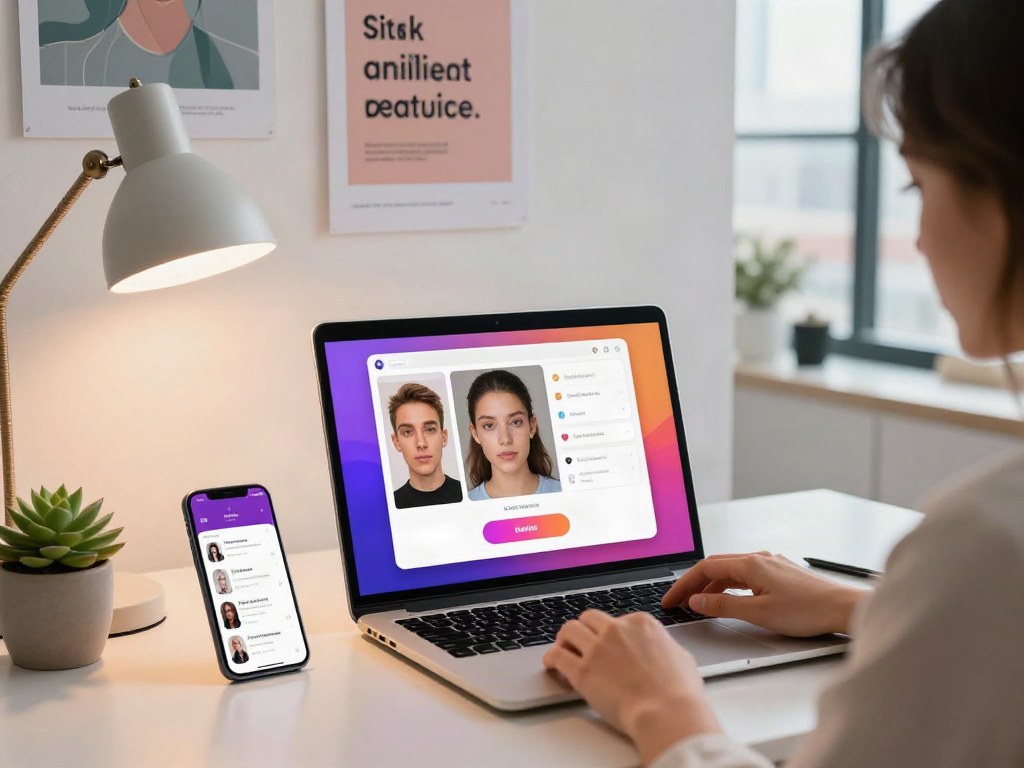
In a world increasingly captivated by youth and beauty, the question "how old do I look?" resonates across generations. Many individuals find themselves pondering this query, fueled by societal standards and personal insecurities. The perception of age is not merely a reflection of one’s birth year; it encompasses various factors, including genetics, lifestyle choices, and societal expectations. Interestingly, advancements in technology, particularly through artificial intelligence (AI), have enabled deeper insights into this phenomenon, allowing users to gauge their perceived age based on facial features and skin condition. When exploring options, how old do i look provides comprehensive insights into the age estimation process, offering a blend of fun and scientific understanding.
What Influences Our Perception of Age?
Age perception is influenced by several subjective and objective factors. Subjective factors include individual emotional health and self-esteem. For example, a person may feel younger than their chronological age if they maintain a positive outlook on life. Conversely, stress or life challenges can make someone feel older. Objective factors include:
- Genetics: Genetic predisposition can determine how quickly one ages. Some individuals may experience fewer wrinkles or age-related skin changes due to favorable genetic markers.
- Lifestyle Choices: Choices such as diet, exercise, sun exposure, and smoking significantly impact physical appearance. A healthy diet rich in antioxidants can enhance skin quality, while a lack of physical activity may accelerate aging signs.
- Cultural Standards: Different cultures have varying standards of beauty and age. In some cultures, aging is celebrated, while in others, youthfulness is prized.
The Role of AI in Age Estimation
AI has revolutionized the way we assess our appearance and age. Using deep learning algorithms, AI applications can analyze facial features, skin texture, and even subtle indicators of aging. These tools not only provide an estimate of how old someone appears but also offer a breakdown of factors contributing to that perception. AI systems leverage large datasets of images across different ages and demographics, improving accuracy in estimates. As a result, users can receive personalized feedback and tips on maintaining a youthful appearance.
Common Misconceptions About Age Appearance
Despite the advancements and tools available for age estimation, several misconceptions persist in society:
- Youth Equals Beauty: While youthful appearances can be celebrated, many find beauty in aging gracefully. Confidence and self-acceptance can enhance one’s attractiveness, regardless of age.
- Wrinkles Are the Only Indicator: While wrinkles are a visible sign of aging, factors such as skin tone, elasticity, and overall health also play crucial roles in perceived age.
- Men and Women Age the Same Way: Research shows that men and women may experience aging differently, often leading to varying societal expectations and standards for both genders.
How AI Technology Works to Gauge Your Age
An Overview of Age Estimation Algorithms
Age estimation algorithms are primarily based on machine learning techniques, which allow computers to learn from large datasets and identify patterns. These algorithms analyze facial characteristics, such as:
- Facial Structure: Distinctive facial features change over time and can indicate age, such as the prominence of cheekbones or the sagging of the jawline.
- Skin Condition: Factors like pigmentation, texture, and the presence of fine lines and wrinkles contribute significantly to perceived age.
- Eye Appearance: The skin around the eyes is often the first area to show aging signs, with dark circles and crow's feet serving as common indicators.
Data Privacy in Age Prediction Applications
As with any technology involving personal data, privacy concerns are paramount in age estimation tools. Users must consider how their images are stored, processed, and protected. Responsible applications implement strict privacy policies, ensuring that photos are not stored without consent and anonymizing data to enhance user security. Users should review these policies and opt for platforms that prioritize data ethics.
Comparative Analysis of Popular Age Estimation Tools
Several platforms have emerged as leaders in age estimation technology. Each offers unique features, making them suitable for different user preferences:
- FaceAge.ai: Known for its high accuracy and user-friendly interface, this tool allows users to upload a photo and receive a detailed analysis.
- Fotor: Fotor provides an accessible interface for users looking to quickly assess their age without any sign-up requirements.
- BeautyPlus: This app combines age estimation with beauty enhancement features, appealing to users interested in both assessments and improvements.
Benefits of Knowing How Old You Look
Boosting Confidence Through Age Awareness
Understanding how one appears can empower individuals. For many, knowing their perceived age can bolster confidence. This awareness allows individuals to embrace their authenticity and take pride in their unique journey, regardless of societal pressures.
Insights for Skincare and Cosmetic Choices
Using age estimation tools can inform skincare routines. By understanding the specific signs of aging they exhibit, individuals can make more targeted choices regarding products and treatments, enhancing their skincare regimens to maintain youthfulness.
Using Age Estimation for Fun and Social Interaction
Beyond practical applications, age estimation tools provide entertainment. Friends and family can engage in light-hearted discussions, comparing how old they look and sharing their results. This playful interaction often leads to deeper conversations around age, beauty, and self-acceptance.
Step-by-Step Guide to Using Age Estimation Apps
Choosing the Right App for Your Needs
When selecting an age estimation app, consider your specific requirements. Some users may prioritize accuracy, while others may value a fun interface. Read reviews and test a few apps to find one that resonates with you.
How to Take a Great Photo for Age Estimation
To increase the accuracy of age estimation results, follow these tips when taking a photo:
- Good Lighting: Natural light is ideal as it reduces shadows and highlights your skin tone.
- Neutral Expression: Aim for a relaxed, neutral facial expression to ensure the algorithm can accurately analyze your features.
- Clear Background: A simple background can enhance focus on your face, improving analysis quality.
Interpreting the Results: What They Mean
After receiving your estimated age, interpret these results thoughtfully. Remember that these tools are designed to provide insights rather than definitive answers. Using this information to enhance self-care or boost your confidence can be constructive.
Future Trends in Age Estimation Technology for 2026
The Impact of AI Advancements on Accuracy
As AI continues to evolve, the accuracy of age estimation tools is expected to improve significantly. Future algorithms will likely leverage even larger datasets and more sophisticated modeling approaches, yielding more precise age assessments.
Predictions for User Experience Enhancements
User interfaces will become increasingly intuitive, ensuring a seamless experience when interacting with age estimation applications. Features like augmented reality previews and personalized age maintenance recommendations are anticipated to enhance engagement.
Ethical Considerations to Watch in Age Prediction
As these technologies proliferate, ethical considerations will become more pronounced. Developers must ensure that age prediction tools do not contribute to ageism or negative self-image among users. Clear guidelines and responsible marketing strategies will be essential in this realm.
What Are the Potential Applications Beyond Fun?
Beyond casual use, age estimation technology has potential applications in various sectors, including:
- Health and Wellness: Professionals could use such tools to provide tailored health recommendations based on perceived biological age.
- Marketing and Consumer Behavior: Brands may customize their marketing strategies based on consumer age perception, enhancing engagement and outreach.
- Social Research: Understanding age perception across demographics can inform studies on societal attitudes toward aging and beauty.
How Will Social Media Influence Age Perception?
Social media platforms continue to shape perceptions of beauty and age, often promoting unrealistic standards. The proliferation of age estimation tools may serve as a counterbalance, encouraging authenticity and acceptance of aging. Users may begin to prioritize genuine self-expression over conforming to societal ideals.