The Science Behind Attractiveness Tests
The quest to understand and quantify attractiveness has intrigued humans for centuries. Attractiveness tests, which have surged in popularity through online platforms, leverage psychological principles and advanced technology to evaluate facial aesthetics. As society increasingly leans on artificial intelligence (AI) to gain insights into personal beauty, understanding the science behind these tests becomes essential for anyone looking to test attractiveness. This article aims to demystify the components of attractiveness ratings and explore how they are constructed.
Understanding Attractiveness: A Psychological Perspective
Attractiveness is not merely a construct of physical features; it's deeply rooted in psychology. Factors like symmetry, skin clarity, and facial proportions play significant roles, but perceptions of beauty can also be influenced by cultural standards and personal experiences. Psychologists have long theorized that symmetrical features are commonly perceived as more attractive. This could be attributed to the notion of symmetry as a sign of good health, genetic fitness, and overall vitality. Such psychological underpinnings are crucial when considering how modern tests compute attractiveness scores.
The Role of AI in Evaluating Facial Features
Artificial intelligence has revolutionized the way we assess attractiveness. Machine learning algorithms analyze facial structures by comparing them against large datasets derived from human opinions and scientific standards of beauty. These AI systems evaluate features such as the golden ratio, eye spacing, and other key metrics, compiling them into a comprehensive score. The complexity of such evaluations enables a level of analysis that traditional methods could not achieve.
Common Misconceptions about Attractiveness Scores
While many users find comfort in receiving a numerical score that reflects their attractiveness, misconceptions abound regarding the validity and implications of these scores. Some individuals may assume that a high score is indicative of social success or desirability, while others may perceive a lower score as a failure. Understanding that these tests are influenced by subjective data and can fluctuate based on numerous factors is vital for maintaining a balanced perspective.
How to Test Attractiveness Effectively
Testing your attractiveness can be an insightful experience when approached correctly. With a variety of online tools available, it’s essential to navigate through these platforms effectively to derive meaningful insights. Here’s a step-by-step guide to ensure your experience yields the best results.
Step-by-Step Guide to Using Online Tests
- Select a Reputable Platform: Start by choosing an online attractiveness test that uses AI technology, ensuring that the site has reliable reviews and transparent methodologies.
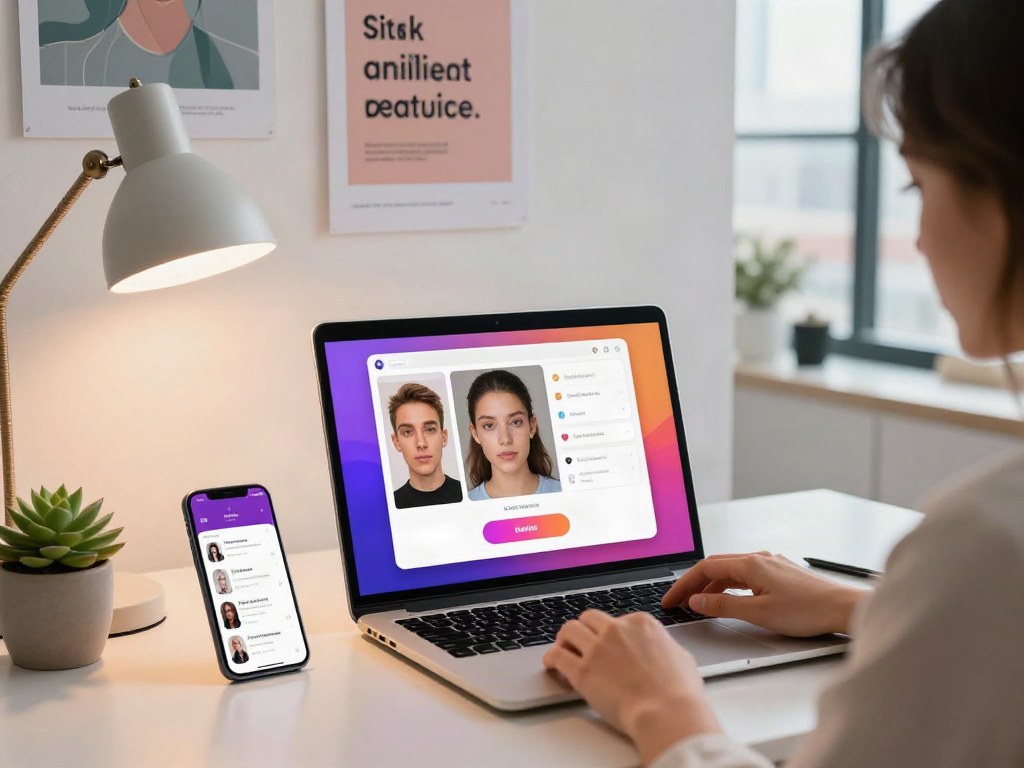
- Upload Your Image: Follow the platform’s instructions to upload a clear, high-resolution photo. Good lighting and a neutral background can significantly impact the results.
- Understand the Metrics Used: Familiarize yourself with the criteria the test will evaluate. Common factors include facial symmetry, proportions, and overall aesthetic appeal.
- Analyze Your Results: After receiving your score, take time to review the analysis provided. Look for comments on specific facial features and overall aesthetics.
- Seek Constructive Feedback: If you're comfortable, discuss your results with friends or family to gain different perspectives.
Key Features to Look for in Attractiveness Tools
When exploring online attractiveness tests, consider these key features:
- AI Technology: Ensure the tool uses advanced algorithms for accurate analysis.
- User-Friendly Interface: The platform should be easy to navigate and understand.
- Transparency: Look for sites that explain their evaluation methods clearly.
- Data Privacy: Confirm that the site protects your data and does not misuse images.
Interpreting Your Attractiveness Results
Receiving your attractiveness score can evoke a variety of feelings, from excitement to disappointment. It’s essential to interpret these results with a critical mindset. A score is just one reflection of beauty; factors such as personality, confidence, and social skills also contribute significantly to how others perceive you. Keeping this broader context in mind can aid in fostering a healthy self-image.
Comparing Attractiveness Testing Platforms
With an abundance of options available online, it's crucial to evaluate different attractiveness testing platforms objectively. This section provides an overview of leading sites and what they offer.
Overview of Leading Attractiveness Test Websites
Several websites have established themselves as leaders in the attractiveness testing field. Sites like "Rate My Face" and "Maxxing" use advanced AI to deliver personalized beauty scores. Each platform may focus on different criteria, thus providing varied insights into a user's attractiveness.
What to Expect from Different AI Models
AI models differ significantly in how they assess facial attractiveness. Some may rely heavily on facial symmetry, while others could incorporate cultural beauty standards or psychological assessments. Knowing what to expect can help users choose a platform that aligns most closely with their personal goals.
Pros and Cons of Various Attractiveness Tests
While testing attractiveness can be fun and insightful, there are pros and cons to each platform:
- Pros:
- Cons:
Real-Life Implications of Attractiveness Scores
Understanding the implications of attractiveness scores extends beyond the digital realm. How these results affect real life is a vital conversation.
How Attractiveness Affects Social Interactions
Attractiveness can significantly influence social dynamics. Research suggests that individuals perceived as more attractive often experience positive biases, including more favorable first impressions and greater social opportunities. However, the weight of these perceptions varies across cultures and personal interactions.
The Impact on Personal Confidence and Self-Esteem
The relationship between attractiveness scores and self-esteem is complex. For some, high scores can bolster confidence, while low scores may lead to feelings of inadequacy. It's essential to cultivate self-worth that transcends numerical evaluations. Engaging in self-care, building social connections, and developing personal talents can enhance self-esteem, independent of attractiveness scores.
Strategies for Positive Self-Perception
To maintain a healthy self-image, consider implementing these strategies:
- Focus on Strengths: Identify and celebrate your unique features and talents.
- Practice Self-Compassion: Treat yourself with kindness and recognize that everyone has flaws.
- Limit Social Media Exposure: Develop a balanced relationship with social media to avoid comparison traps.
Future Trends in Attractiveness Testing
As technology evolves, so too will the landscape of attractiveness testing. Understanding these trends will better prepare users for what lies ahead.
The Evolution of AI in Beauty Standards by 2026
By 2026, AI is predicted to incorporate a more nuanced understanding of beauty. Future algorithms will likely consider diverse cultural standards and socio-economic backgrounds, promoting inclusivity in beauty assessments.
Emerging Technologies in Facial Analysis
With advancements in augmented reality and machine learning, tools for facial analysis will become increasingly sophisticated. Expect features such as real-time feedback on facial expressions and interactive beauty tutorials to emerge.
Predictions for Online Attractiveness Tests
The prevalence of online attractiveness tests is expected to grow, with more users embracing the blend of technology and self-discovery. These platforms may also begin to provide tailored advice and coaching based on individual scores and trends.
How can I test my attractiveness?
There are numerous online tools available that enable you to test your attractiveness by uploading a photo for analysis. Each tool uses different algorithms and metrics, so exploring several options can provide a more comprehensive view.
Is 7 out of 10 considered attractive?
A score of 7 out of 10 is often viewed positively, but perceptions of attractiveness vary widely among individuals and cultures. It's essential to remember that beauty is subjective, and rating systems can reflect diverse biases.
Is there an accurate attractiveness test?
While many online tests provide insights based on facial features, the accuracy of these tests can be subjective. They often rely on algorithms trained on specific data sets, which may not universally apply.
Is a 6.5 out of 10 attractive?
A score of 6.5 can still be considered attractive depending on the context and individual perspectives. It's vital to recognize the fluidity of beauty standards across different cultures and social settings.
What factors influence attractiveness ratings?
Attractiveness ratings can be influenced by multiple factors, including facial symmetry, skin texture, cultural standards, personal biases, and even the viewer's mood at the moment of evaluation.