Understanding the Gemstone Marketplace Landscape in 2026
The gemstone marketplace is undergoing a significant transformation as we move into 2026. Increasing consumer demand for authenticity, coupled with advancements in technology, has reshaped how gemstones are sourced and sold. With a wealth of information available online, potential buyers now have access to resources that enable them to make informed decisions, ensuring that they purchase high-quality stones. When exploring options, https://www.mygemspot.com provides comprehensive insights into reputable gemstone merchants and the quality of their offerings.
Current Trends in Gemstone Sourcing and Sales
One of the key trends influencing the gemstone market is the rise of online sales platforms. As e-commerce continues to flourish, consumers are increasingly turning to digital marketplaces to discover and purchase gemstones. This shift has been fueled by the convenience and variety offered by online retailers, allowing buyers to compare prices and qualities from the comfort of their homes.
Additionally, sustainable sourcing is gaining momentum in the industry. More consumers are becoming environmentally conscious, leading merchants to adopt ethical practices in gemstone mining and production. Certification programs that verify sustainable practices are becoming essential for merchants looking to enhance their credibility.
Key Factors Influencing Consumer Choices
Several factors are pivotal in guiding consumer decisions in the gemstone market. Quality and authenticity remain paramount, with buyers keen to ensure they are investing in genuine stones. Price sensitivity also plays a substantial role, as consumers seek the best value for their purchases.
Moreover, consumer education has improved significantly. With access to vast amounts of information online, buyers are more informed about the characteristics that define quality gemstones, including clarity, cut, color, and carat weight. This knowledge equips them to make better purchasing choices.
The Role of Curated Merchant Directories in Building Trust
In an increasingly crowded marketplace, curated merchant directories have emerged as a valuable resource for consumers. These platforms serve as trusted intermediaries, providing verified listings of gemstone merchants who meet strict quality standards. By showcasing merchants with a proven track record, these directories help build consumer trust and facilitate safer transactions.
Curated directories often feature detailed profiles for each merchant, including specializations, ratings from previous customers, and product offerings. This transparency not only helps consumers find reliable sellers but also educates them about the importance of quality and authenticity in gemstones.
The Importance of Quality and Authenticity in Gemstones
The gemstone industry is marked by a reputation for quality, and ensuring authenticity is critical for both consumers and merchants. With the prevalence of imitation stones and unethical practices, buyers must be vigilant in their assessments.
Evaluating Merchant Credibility and Product Quality
To assess the credibility of a gemstone merchant, consumers should consider several key criteria. First, check for certification from recognized gemological institutes, which can verify the quality and authenticity of the stones offered. Additionally, reading customer reviews and testimonials can provide insights into the merchant’s reputation and service quality.
It’s also beneficial to inquire about the sourcing practices of the merchant. Ethical sourcing not only supports fair trade but also ensures that the gemstones are conflict-free, appealing to the conscientious buyer.
Understanding Certification and Grading Standards
Certification plays a critical role in determining the value and quality of gemstones. Various grading systems exist, provided by institutions such as the Gemological Institute of America (GIA) and the American Gem Society (AGS). Understanding these standards helps buyers differentiate between high-quality gemstones and subpar imitations.
For instance, diamonds are graded based on the “Four Cs”: Cut, Clarity, Color, and Carat Weight. Familiarity with these grading systems can empower consumers to make informed purchases, ensuring they receive genuine and high-quality stones.
How to Spot High-Quality Gems and Avoid Imitations
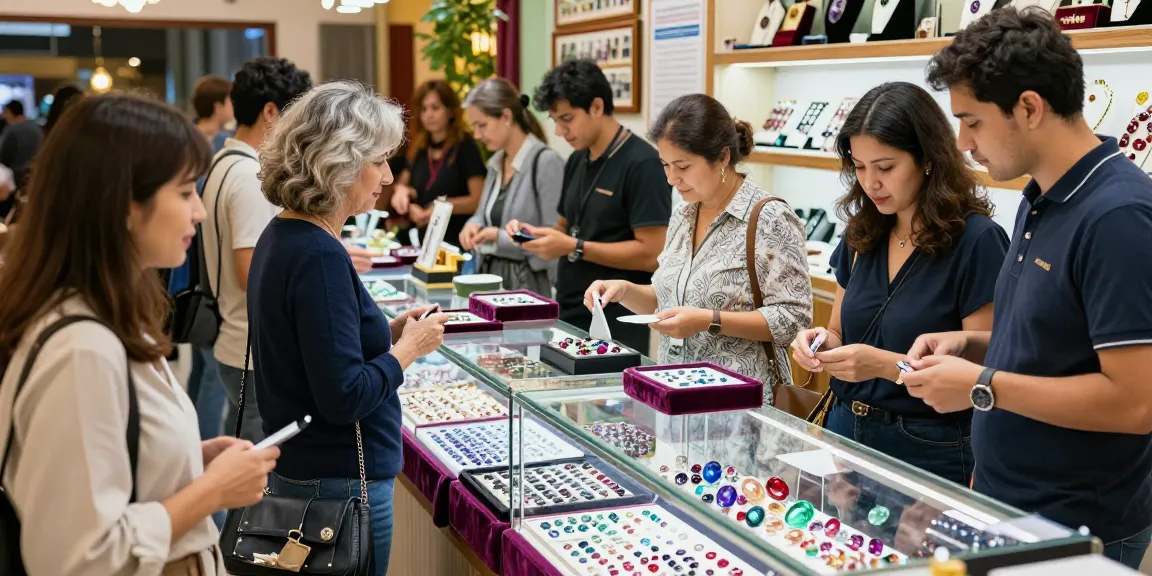
Identifying high-quality gemstones involves more than just visual inspection. Buyers should examine the stone under varying lighting conditions to reveal its true brilliance and flaws. Utilizing a jeweler’s loupe or microscope can help detect inclusions or imperfections that might not be visible to the naked eye.
Moreover, reputable merchants will provide detailed certificates for their gemstones, confirming their authenticity and quality. When purchasing online, ensure that the merchant guarantees returns or exchanges, allowing for recourse should the stone not meet expectations.
Effective Marketing Strategies for Gemstone Merchants
In a competitive market, gemstone merchants must employ effective marketing strategies to attract and retain customers. As consumer preferences continue to evolve, adapting to changing trends is critical for success.
Utilizing Online Platforms to Reach Target Audiences
Digital marketing has become indispensable for reaching potential buyers. Platforms such as social media and e-commerce websites can significantly extend the reach of gemstone merchants. Engaging content, including high-quality photos and informative videos, can showcase gemstones effectively and attract interested consumers.
Additionally, leveraging search engine optimization (SEO) will help improve visibility. By utilizing relevant keywords and creating content aimed at addressing consumer pain points, merchants can enhance their online presence and drive traffic to their websites.
SEO Best Practices for Gemstone Retail Websites
To maximize online visibility, gemstone retail websites must implement SEO best practices. This includes optimizing website structure, content, and metadata for search engines. Key strategies include:
- Keyword Research: Identify and integrate relevant keywords that potential buyers search for.
- Content Creation: Regularly publish informative blog posts about gemstones, trends, and purchasing tips to enhance SEO.
- Mobile Optimization: Ensure the website is mobile-friendly, as an increasing number of consumers shop via smartphones.
- Quality Backlinks: Seek opportunities to collaborate with other reputable websites for guest blogging or partnerships, enhancing domain authority.
The Impact of Social Media on Consumer Engagement
Social media platforms are invaluable tools for gemstone merchants seeking to engage with their audience. By showcasing products, sharing customer stories, and promoting educational content, merchants can cultivate a loyal following.
Platforms like Instagram and Pinterest, which emphasize visual content, are particularly beneficial for showcasing the beauty of gemstones. Regular posts and engagement with followers can establish a strong brand presence and encourage word-of-mouth referrals.
Measuring Success: Key Performance Indicators for Gemstone Sales
For gemstone merchants, understanding which metrics to track is essential for assessing business performance. Key performance indicators (KPIs) provide insights into sales trends and customer satisfaction, informing strategic decisions.
Identifying Relevant Metrics for Online Gemstone Shops
Common KPIs that gemstone merchants should monitor include:
- Sales Growth: Analyzing year-over-year sales growth can indicate the effectiveness of marketing strategies.
- Conversion Rates: Tracking the percentage of website visitors who make a purchase can help identify barriers to sales.
- Customer Retention Rate: Understanding how many customers return for repeat purchases can inform loyalty programs and customer service efforts.
Tools to Analyze Sales Performance and Customer Feedback
Utilizing analytics tools such as Google Analytics can provide valuable insights into sales performance, customer behavior, and website traffic. Additionally, soliciting customer feedback through surveys can help merchants gauge satisfaction levels and identify areas for improvement.
Engaging with customers post-purchase can also foster loyalty and positive reviews, leading to enhanced reputation and increased sales.
Adapting Strategies Based on Performance Data
Regularly reviewing and analyzing performance data enables gemstone merchants to adapt their strategies. Whether it’s refining marketing tactics or improving product offerings, a data-driven approach can facilitate continuous growth and success.
Future Trends and Innovations in the Gemstone Industry
The gemstone industry stands on the cusp of significant innovation, driven by technological advancements and changing consumer behaviors. Understanding these future trends can prepare merchants for the evolving landscape.
The Rise of E-commerce in Precious Stone Trading
E-commerce continues to reshape the gemstone industry, with more merchants establishing online storefronts to cater to a global audience. Enhanced virtual shopping experiences, including augmented reality (AR) and virtual reality (VR), are set to transform how consumers interact with gemstones, allowing them to visualize how a piece would look before purchasing.
Moreover, improved logistics and shipping options will enhance the customer experience, ensuring timely delivery and safe handling of valuable gemstones.
Predictions for Sustainable Gemstone Practices by 2026
Sustainability is poised to become a cornerstone of the gemstone industry. By 2026, we can expect to see an increased demand for ethically sourced stones, with consumers prioritizing merchants who adhere to responsible mining and production practices. Transparency in sourcing will become non-negotiable for consumers, compelling merchants to adopt sustainable practices.
The Role of Technology in Enhancing Customer Experience
Technological advancements will continue to bolster customer experiences in the gemstone marketplace. From AI-driven chatbots providing instant customer service to blockchain technology ensuring transparency in gemstone origins, the future holds immense potential for improving how consumers buy and engage with gemstones.
Innovative marketing strategies and improved inventory management systems will further streamline operations, enabling merchants to meet customer demands effectively.
What are the benefits of using curated gemstone directories?
Curated gemstone directories provide buyers with assurance of quality, saving time and effort in finding reliable merchants. They offer transparency, enabling informed decisions based on merchant reputations and customer feedback.
How can I ensure I’m buying authentic gemstones?
To ensure authenticity, purchase from reputable merchants who provide certification and guarantee quality. Familiarity with grading standards can also empower consumers to make informed choices.
What marketing strategies are effective for gemstone sellers?
Effective marketing strategies include utilizing social media for engagement, optimizing websites for search engines, and leveraging email marketing to reach potential customers.
Which metrics are crucial for measuring my gemstone sales success?
Key metrics such as sales growth, conversion rates, and customer retention rates are vital for understanding business performance and driving growth.
What future trends should gemstone buyers expect in the next few years?
Expect significant advancements in e-commerce, a focus on sustainable practices, and the integration of technology to enhance the buying experience.