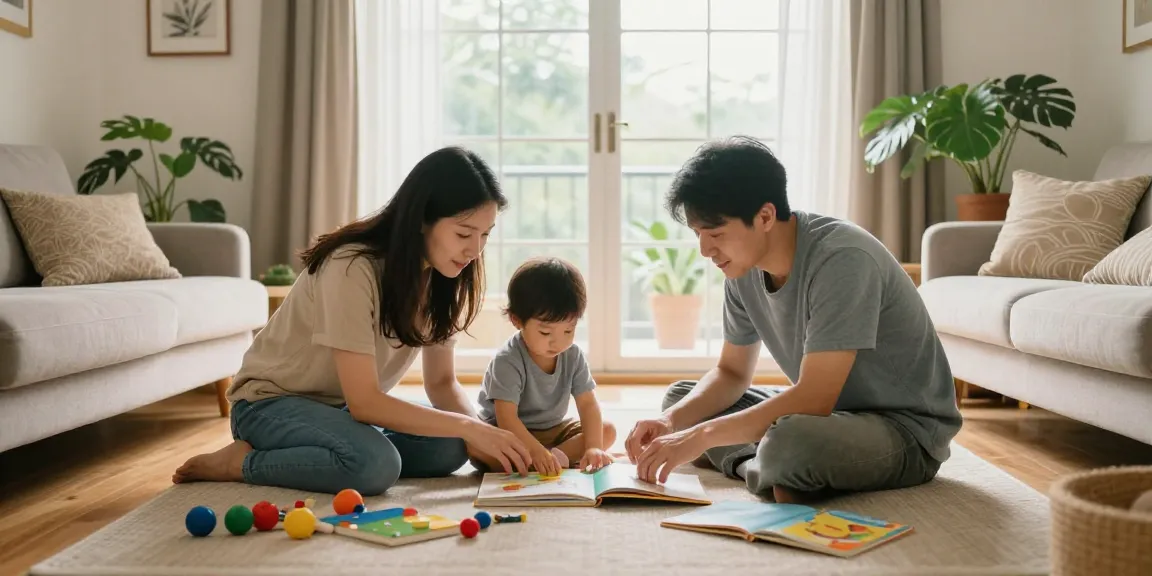
The Importance of Positive Parenting Practices
In today's fast-paced world, understanding the nuances of positive parenting has never been more critical. As children grow up in an environment filled with various influences—from social media to academic pressures—parents must adapt their approaches to foster healthy development. Positive parenting not only enhances the parent-child bond but also equips children with the emotional and social skills necessary for navigating life. Embracing insights from resources like rokok 88 can significantly aid parents in fine-tuning their techniques to support their children's growth effectively.
Understanding Your Child's Developmental Needs
Every child goes through distinct stages of development, each marked by unique needs and challenges. Recognizing these developmental milestones enables parents to provide tailored support. For instance, toddlers require affirmation and simple choices to foster independence, while teenagers need autonomy balanced with guidance. By staying informed about these stages, parents can create environments that nurture their child's specific developmental requirements.
Common Misconceptions About Parenting Styles
Many parents grapple with misconceptions surrounding various parenting styles, often feeling pressured to conform to societal norms. One prevalent myth equates strict discipline with effective parenting. However, research indicates that a more balanced approach—combining expectations with empathy—tends to yield better outcomes. Understanding the spectrum of parenting styles enables parents to choose techniques that resonate with their family's values and dynamics.
Strategies for Building Open Communication
Effective communication is the cornerstone of a healthy parent-child relationship. Implementing strategies such as active listening, maintaining eye contact, and validating feelings can create a safe space for children to express themselves. Additionally, setting aside dedicated time for family conversations can strengthen bonds and foster trust. Engaging in discussions about emotions, daily experiences, and even mistakes encourages children to share openly with their parents.
Navigating Challenges in Modern Parenting
Modern parenting presents unique challenges, particularly concerning work-life balance and the emotional needs of children. Parents often find themselves juggling professional responsibilities while trying to be present for their children. This section explores how to address these challenges while ensuring a nurturing home environment.
Balancing Work and Family Life
Striking a balance between work commitments and family time can sometimes feel impossible. Parents can adopt strategies like establishing firm work hours, prioritizing family activities, and utilizing flexible work arrangements if available. Developing a routine that honors both professional aspirations and family needs cultivates a harmonious atmosphere at home.
Addressing Emotional Needs of Children
Children experience a range of emotions and worries, sometimes leading to behavioral issues. It’s crucial for parents to engage in regular check-ins with their children to discuss their feelings. This proactive approach helps children articulate their emotions and understand that it’s okay to seek help when needed. Providing reassurance and support can create a strong emotional foundation for children as they grow.
Creating Effective Routines for Busy Families
Routines play a vital role in maintaining stability in a child’s life, especially for busy families. Establishing consistent daily rituals, such as shared meals or bedtime stories, can foster a sense of security for children. Implementing structured routines helps children develop self-discipline and time management skills, essential for their future endeavors.
Healthy Relationships Through Effective Communication
Healthy relationships within a family are built on the principles of effective communication. Both parents and children must learn to express their thoughts and feelings respectfully. This section outlines techniques to bolster communication skills and deepen familial bonds.
Techniques for Listening and Responding
Active listening is a vital skill for both parents and children. It involves fully concentrating on what is being said rather than formulating a response while the other person is speaking. Techniques such as reflecting back what a child has said or asking clarifying questions can show that the parent values their child's perspective. This fosters a culture of mutual respect in family discussions.
Building Trust with Your Child
Trust is foundational in any relationship, especially between parents and children. Being consistent, maintaining transparency, and following through on promises are key behaviors that cultivate trust. When children feel they can rely on their parents, they are more likely to open up about their feelings and challenges.
Managing Conflict in Family Dynamics
Conflicts are inevitable in any family. However, managing these conflicts constructively can strengthen relationships rather than weaken them. Techniques such as timeout strategies, calm discussions during low-stress times, and involving children in problem-solving can teach valuable lessons about conflict resolution.
Engaging Educational Activities for Children
Learning doesn't stop at school; parents can engage their children with educational activities at home. This creative approach not only aids academic learning but also reinforces family bonds through shared experiences.
Incorporating Learning Through Play
Play is a natural way for children to explore and learn about the world. Parents can facilitate learning by incorporating educational games that promote critical thinking and creativity. This not only makes learning enjoyable but also provides parents with insights into their child's interests and strengths.
Age-Appropriate Educational Resources
Choosing the right educational resources is essential for supporting a child's learning journey. From interactive apps for toddlers to advanced reading materials for teens, a wealth of resources is available to stimulate curiosity and knowledge. Parents should regularly explore new tools to keep learning fresh and engaging.
Maximizing Development Through Everyday Activities
Everyday chores can become learning experiences. Parents can encourage their children to help with grocery shopping to learn about budgeting, or cooking to develop math and science skills. Such activities reinforce practical knowledge and can serve as quality family time.
Future Trends in Parenting Support and Resources
As society evolves, so do the resources and support systems available to parents. Understanding these trends can help parents make informed decisions about their parenting approaches.
Leveraging Technology for Parenting Insights
Technology has transformed the way parents access information and support. Recent innovations include apps that provide parenting tips, forums for shared experiences, and online counseling services. By leveraging these digital tools, parents can stay connected and informed about the latest parenting strategies.
Community Support and Its Role in Parenting
Community support plays a vital role in effective parenting. Engaging with other families through local groups or online communities can provide encouragement, resources, and practical advice. Building a supportive network creates a sense of belonging and shared experience among parents.
Emerging Guidelines for Positive Parenting in 2026
Looking forward, emerging guidelines focus on the importance of mental health in parenting practices. Emphasizing the need for self-care among parents, these guidelines advocate for seeking professional help when needed and promoting a balanced lifestyle to create a supportive home environment.
What is Positive Parenting?
Positive parenting is an approach that emphasizes the importance of nurturing relationships while maintaining boundaries and expectations. It focuses on guiding children through understanding rather than through punishment, fostering resilience, and encouraging independence.
How Can I Communicate Better with My Child?
Improving communication with your child involves active listening, validating their feelings, and engaging in open discussions. Regular check-ins about their day and emotional state can enhance trust and openness.
What Activities Help With My Child’s Development?
Activities that promote development include storytelling, interactive games, and collaborative chores. These not only enhance skills but also strengthen the parent-child bond.
What Resources are Available for Parents Today?
Parents today have access to a myriad of resources, including parenting books, online courses, forums, and apps. Utilizing these tools helps parents stay informed and equipped for challenges.
How Can I Create a Harmonious Family Environment?
Creating a harmonious family environment requires consistent communication, shared routines, and support for each member’s emotional needs. Prioritizing quality time and fostering a culture of respect and understanding are essential.